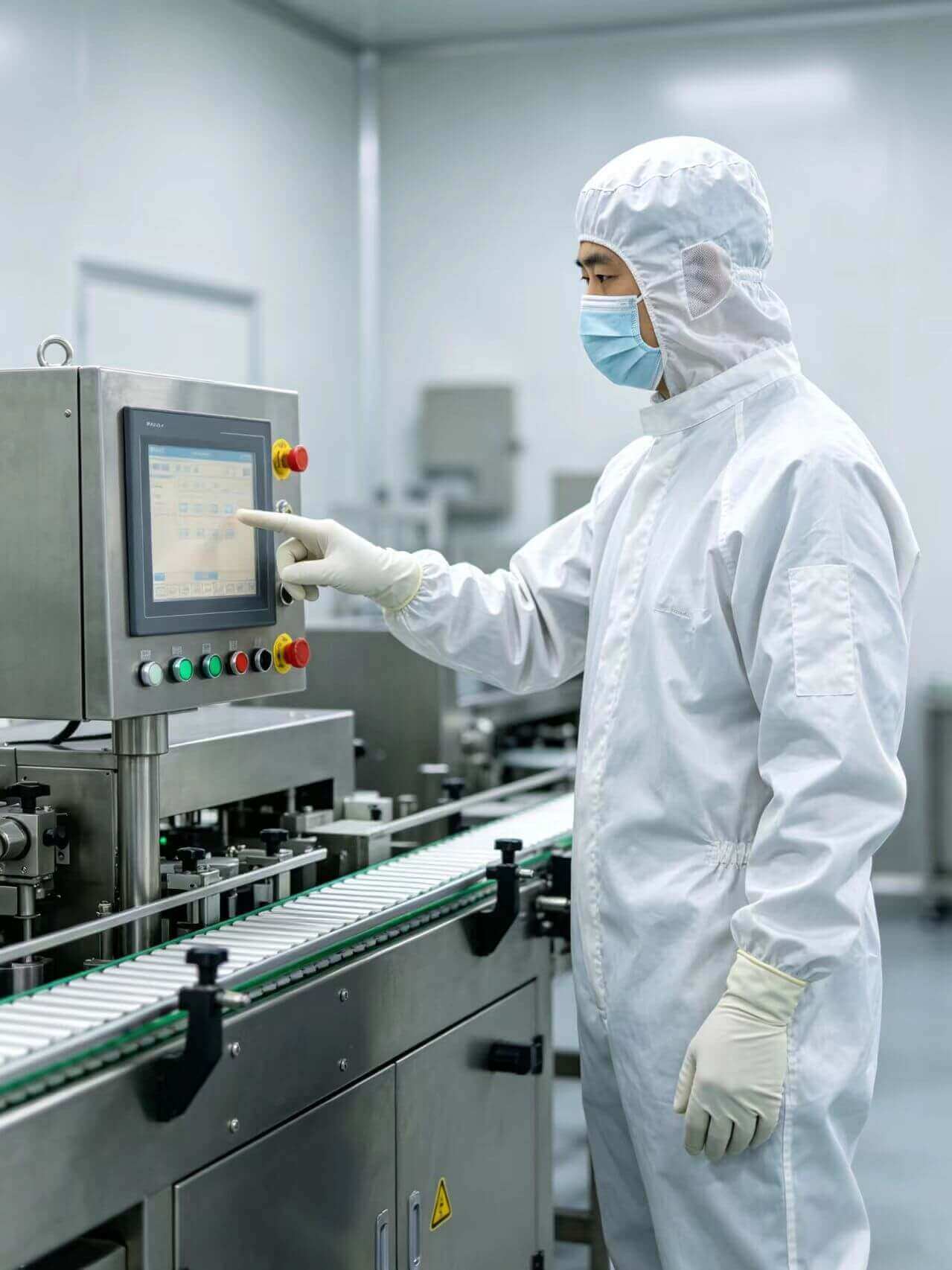
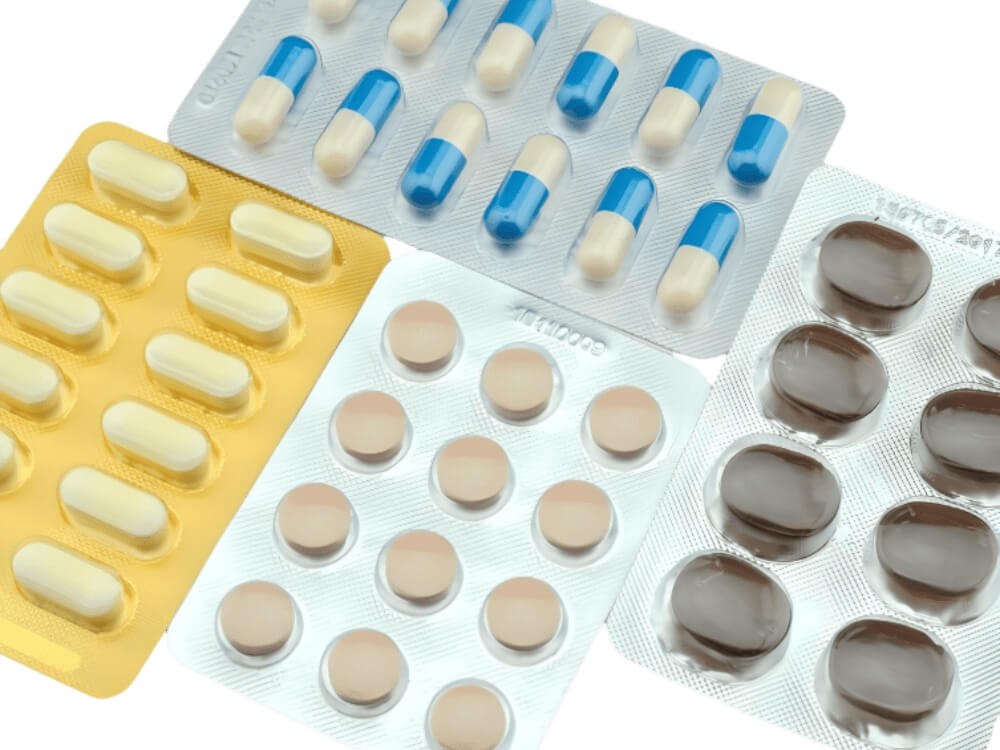
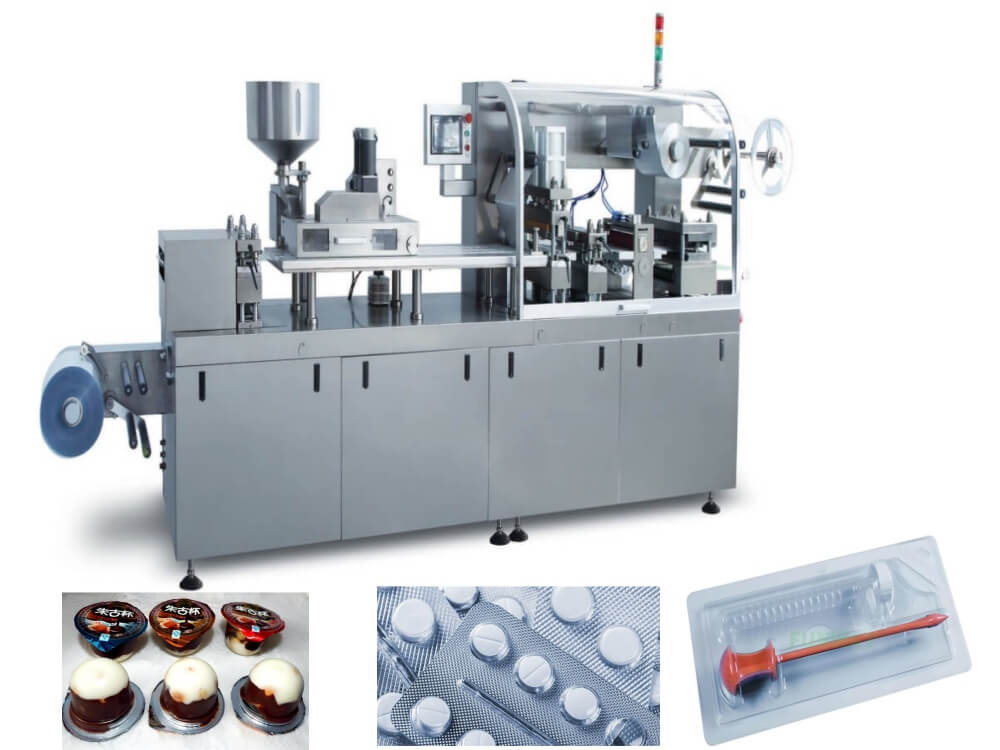
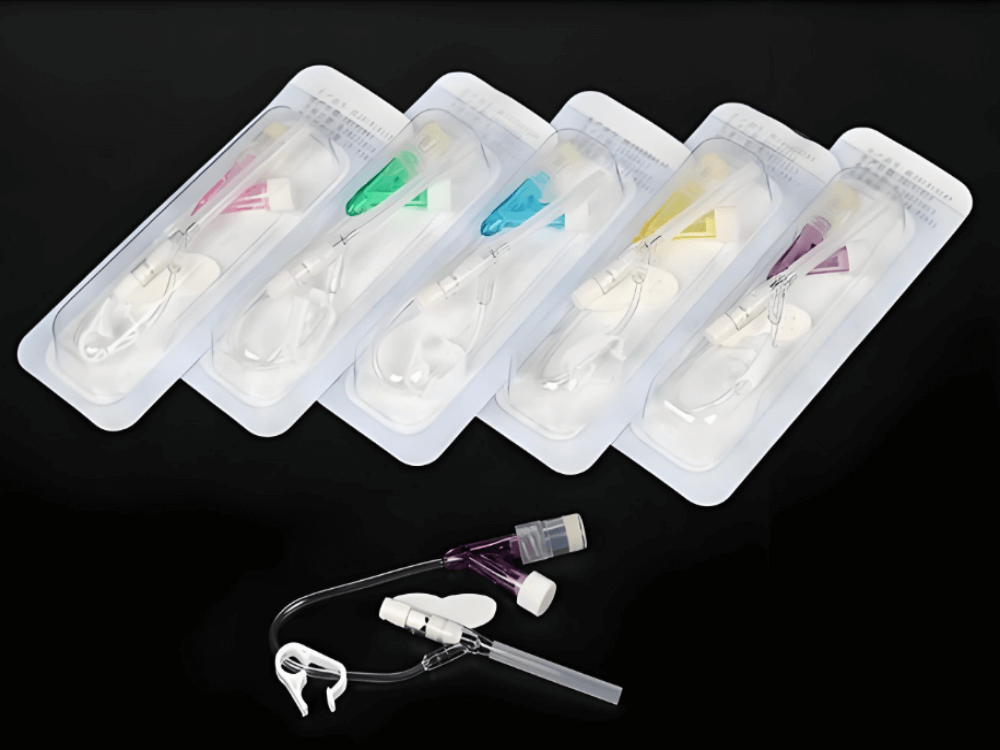
In the world of pharmaceutical and food manufacturing, the Blister Machine Operator is the heartbeat of the production line. While the machine provides the power and precision, the operator provides the intelligence and oversight necessary to turn raw materials into perfectly sealed, compliant, and market-ready products.
Whether you are a factory owner looking to train your staff or a procurement manager sourcing the latest blister packaging technology, understanding the nuances of machine operation is critical for maximizing your Return on Investment (ROI).

In the high-precision world of pharmaceutical manufacturing, the integrity of a product is only as good as its packaging. Blister packaging machines are the workhorses of this industry, ensuring that tablets, capsules, and medical devices are sealed in a protective, tamper-evident, and dosage-accurate environment.
However, for maintenance engineers and procurement managers, identifying the specific blister machine parts name can be a challenge due to the complexity of these automated systems.
This guide provides a complete, classified list of components, explains their critical functions, and offers a roadmap for managing wear parts and maintenance. Whether you are troubleshooting a seal failure or building a spare parts inventory, this comprehensive breakdown will ensure your production line remains GMP-compliant and efficient.
Is your blister packaging line underperforming? Discover how to address PVC misalignment, incomplete forming, and poor heat sealing in full servo blister machines to enhance efficiency.
In the high-stakes world of pharmaceutical and food packaging, the full servo blister packaging machine is the gold standard. Known for its precision, flexibility, and high speed, it has revolutionized the protection of tablets, capsules, and consumer goods.
However, even the most advanced “full servo” systems—where independent motors control every movement—can encounter hiccups. When your production line stops, every minute costs money.
If you are facing quality rejects or unexpected downtime, the culprit usually falls into one of three categories: PVC misalignment, incomplete blister forming, or poor heat sealing.
In this guide, we’ll break down why these problems happen and how you can solve them to maintain a seamless production flow.
Struggling with blister-forming defects? Master the forming temperature of blister machine: optimal settings, adjustment steps, troubleshooting, and pro tips to boost your production yield.
For pharmaceutical and packaging manufacturers, the forming temperature of the blister machine is the most critical process parameter, directly determining packaging quality, product yield, and production cost. A wrong temperature setting will lead to incomplete forming, blister holes, material sticking, or even non-compliant medical packaging, resulting in massive material waste and unplanned downtime. In this guide, we break down everything you need to know about this core parameter, providing actionable tips based on our 10+ years of experience in blister packaging machine manufacturing.

In the blister packaging industry, the sealing temperature of the blister machine is not just a simple parameter setting—it is the core factor that determines the success or failure of the entire packaging process. Whether you’re packaging small electronic components, food products, or medical devices, the right sealing temperature ensures that the blister film and base material bond tightly, keeping products safe from external contaminants, moisture, and damage during storage and transportation. From our 18+ years of on-site experience working with blister machine operators and manufacturers, we’ve found that 60% of packaging defects (such as incomplete sealing, film tearing, and product leakage) are directly caused by improper sealing temperature settings.
This guide is designed to address the real pain points you face in daily production, providing practical, step-by-step advice to help you master temperature control, reduce material waste, and boost overall productivity.
The primary role of sealing temperature in blister packaging is to create a strong, airtight bond between the blister film (e.g., PVC, PET, PP) and the sealing layer (often aluminum foil or composite film). For food packaging, this bond prevents oxygen and moisture from entering, extending the product’s shelf life and maintaining freshness—something we’ve seen firsthand with our clients in the snack and confectionery industry, where even a 5℃ deviation can lead to product spoilage and customer complaints. For electronic components, a tight seal protects sensitive parts from dust and static, reducing the risk of malfunction.
In medical packaging, the sealing temperature must meet strict industry standards to ensure sterility and prevent contamination. Simply put, the sealing temperature is the “glue” that holds the entire blister packaging together, and getting it right is non-negotiable for ensuring product quality and maintaining a strong brand reputation.
Setting the wrong sealing temperature can have costly consequences that ripple through your entire production line. If the temperature is too low, the film and base material won’t fuse properly, resulting in poor sealing—this means packages may leak, break open during shipping, or fail quality inspections. We once worked with a small electronics manufacturer that set their blister machine’s sealing temperature 15℃ below the optimal range; this led to a 30% rejection rate, wasting hundreds of meters of film and delaying a major order.
On the other hand, if the temperature is too high, the film can burn, deform, or melt, ruining the packaging’s appearance and even damaging the product inside (especially for heat-sensitive items like medications or plastic components). Over-sealing also increases energy consumption and shortens the lifespan of your blister machine’s heating elements. In either case, incorrect temperature settings lead to higher material costs, longer production times, and unhappy customers—all of which can be avoided with proper temperature control.
This guide is written for blister machine operators, production managers, and anyone involved in blister packaging—whether you’re a beginner learning the ropes or a seasoned professional looking to optimize your process. Unlike generic guides that only list basic parameters, we focus on real-world scenarios and actionable advice.
You’ll learn: the fundamentals of how sealing temperature works in different blister machines; the key factors that affect temperature settings (from film material to environmental conditions); step-by-step methods to test and calibrate your machine’s temperature; solutions to the most common temperature-related problems; advanced tips to save energy and extend your machine’s lifespan; and answers to the most frequently asked questions we hear from our clients. By the end of this guide, you’ll have the knowledge and confidence to set the optimal sealing temperature for any blister packaging task, reducing defects and improving your bottom line.
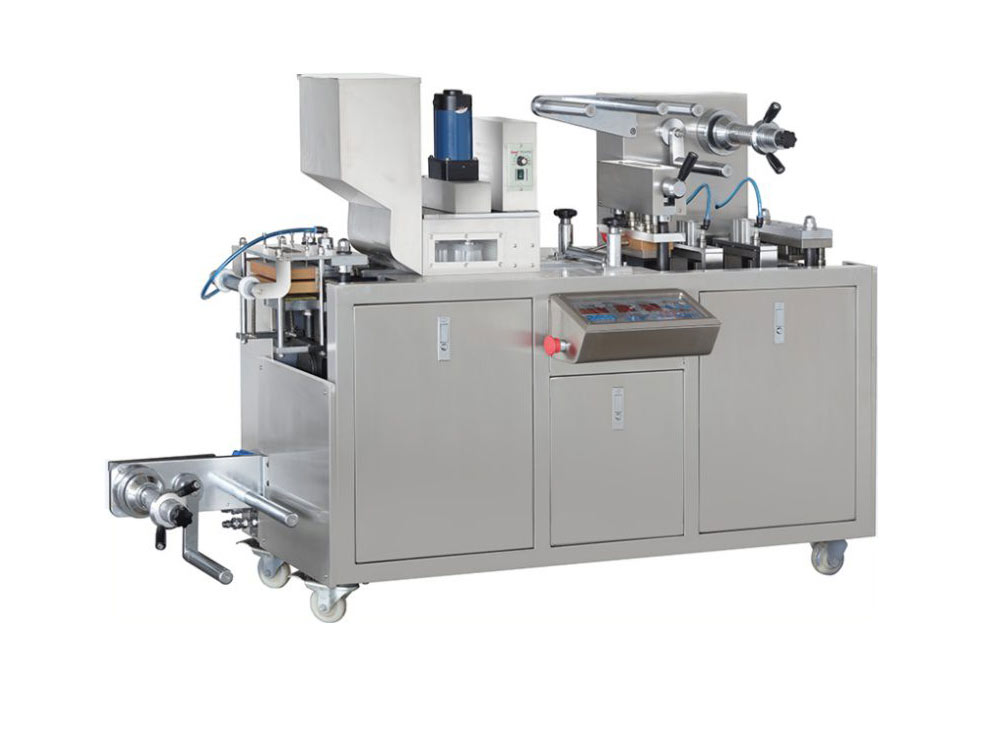
Choosing the right blister pack machine isn’t just about “buying a piece of equipment.” It’s about investing in the future of your production line. Whether you are a pharmaceutical giant or a growing nutraceutical startup, the machine you pick today will dictate your efficiency, compliance, and even your brand’s environmental footprint for the next decade.
As we move into 2026, the global blister packaging market is projected to hit a staggering $34.1 billion, driven by the rise of personalized medicine and stricter unit-dose regulations. If you’re feeling overwhelmed by the technical jargon, don’t worry. I’ve broken down everything you need to know to make an informed decision.
70% of mechanical failures in blister machines stem from lack of lubrication and debris accumulation.
Focus on Heat Sealing: Temperature calibration (±2°C) is critical to prevent micro-leaks in Alu-Alu or PVC/Alu packs.
Pneumatic Health: Unstable air pressure is the #1 silent killer of forming quality.
GMP Compliance: Maintenance logs are not optional; they are a regulatory requirement.
Master blister packing machine maintenance with this technical guide. Prevent downtime, ensure GMP compliance, and extend machine life. Essential for pharma & food producers.
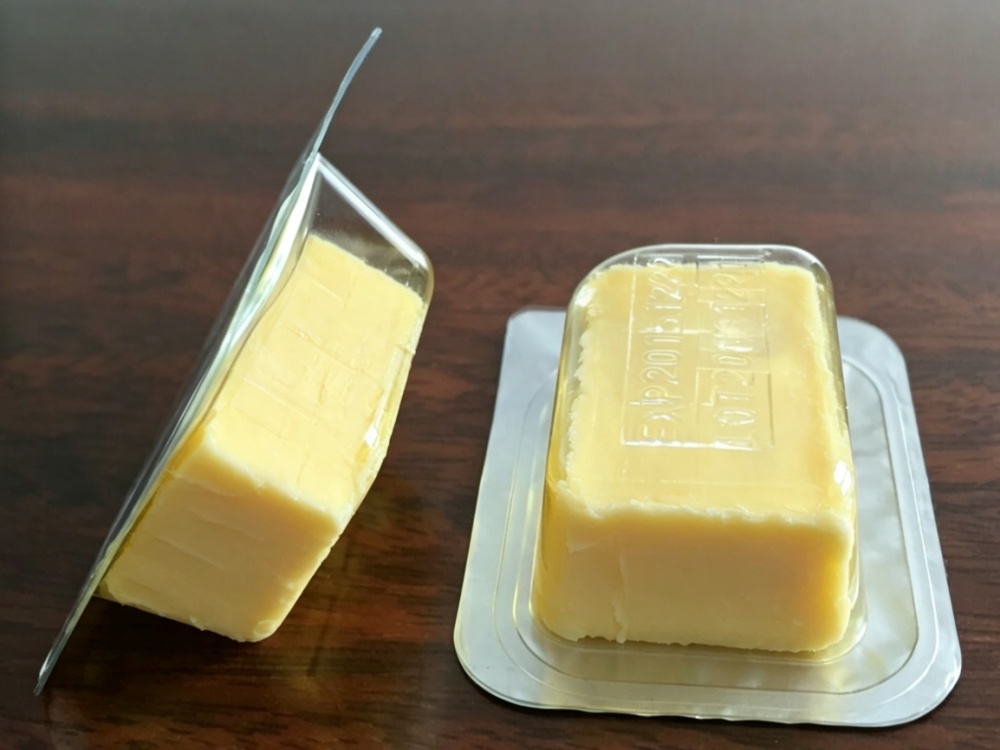
Blister packaging is widely used In the pharmaceutical industry, it can ensure the drug sealed sterile, accurate dosage; in the food industry, it can lock freshness, prevent pollution, extend the shelf life; in the electronics industry, it protects against static and electromagnetic damage; in the cosmetics industry, it protects skin care products and makeup from damage.
Its advantages include strong protection from external damage, customized grooves and anti-counterfeiting labels to prevent counterfeiting, transparent materials to facilitate display of products, but also to adapt to automated production lines, improve efficiency and reduce costs. It is an essential practical packaging option for many industries.
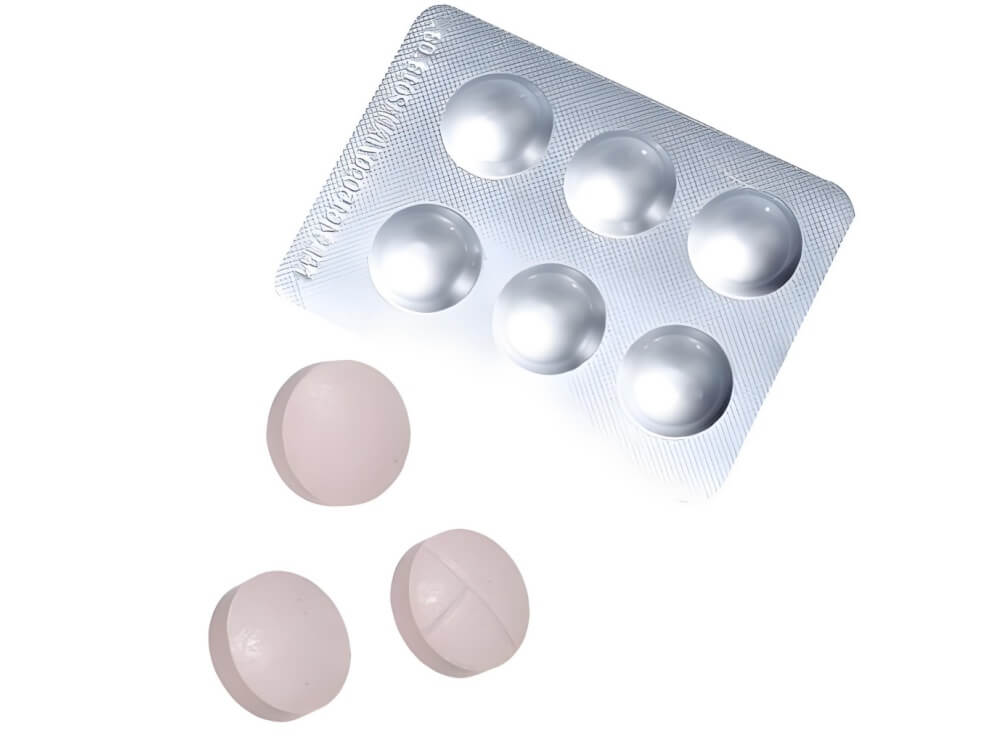
Aluminum-aluminum packaging is a cold-formed blister with double aluminum materials as the main body. The medicine is completely enclosed in an aluminum cavity and sealed by an aluminum lid to form a strong and stable protective structure.
The package features high molding precision, a flexible cavity shape design, and is suitable for both regular and special-shaped tablets and capsules. Its mechanical strength, transport, and long-term storage are not easily crushed or damaged, and it has good tamper resistance and information.
If you are looking for a blister machine manufacturer, then you have come to the right place. In this page, you will find all the best manufacturers of blister machines for your selection. You can choose a suitable supplier here directly to send an Enquiry.
Every year, many foreign customers from various industries purchase blister packaging machines from China. Among them, quite a few are new to the machinery industry. To help these customers in their purchasing decisions, we offer some suggestions from an industry professional perspective.
You can get a price of this model or send us any question to get any information you would like to know, we will reply to you soonest.