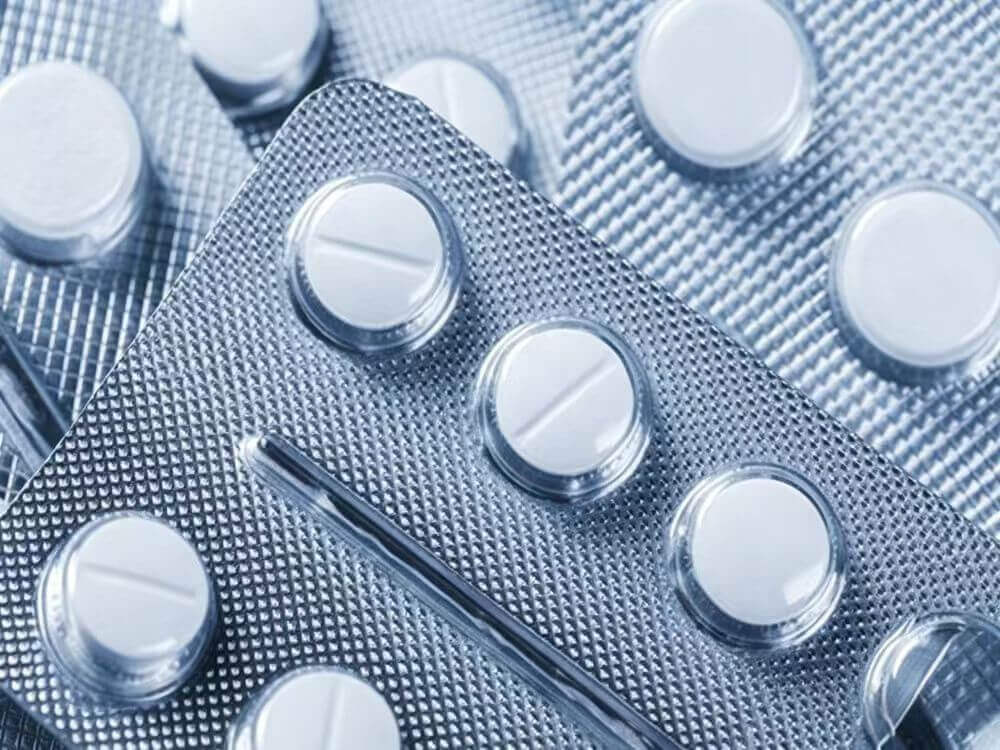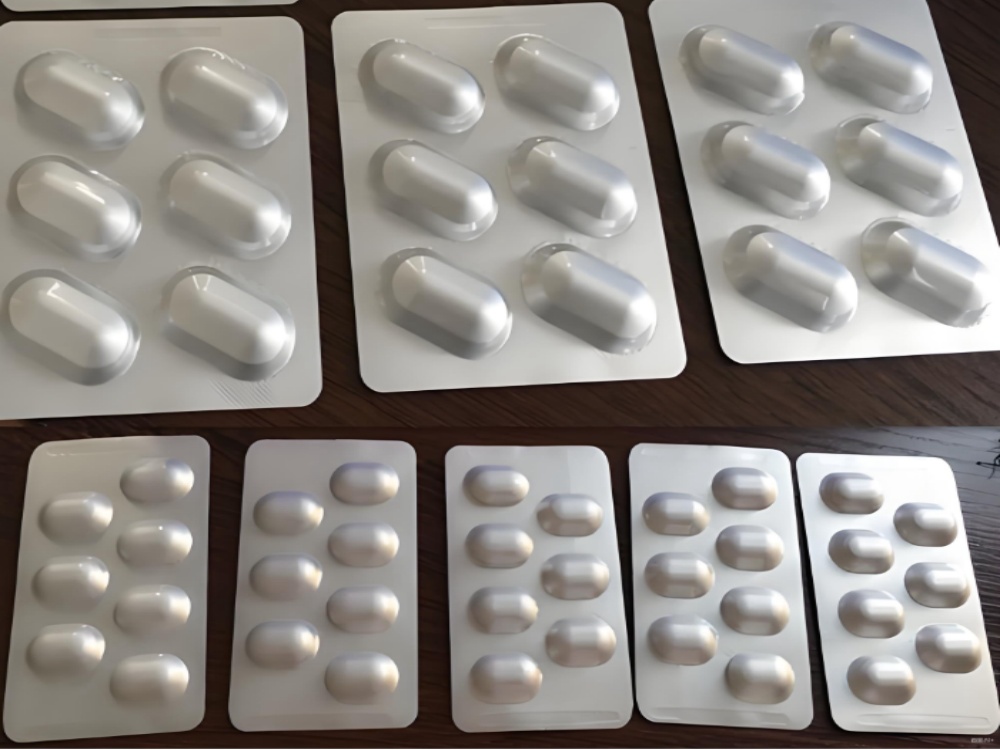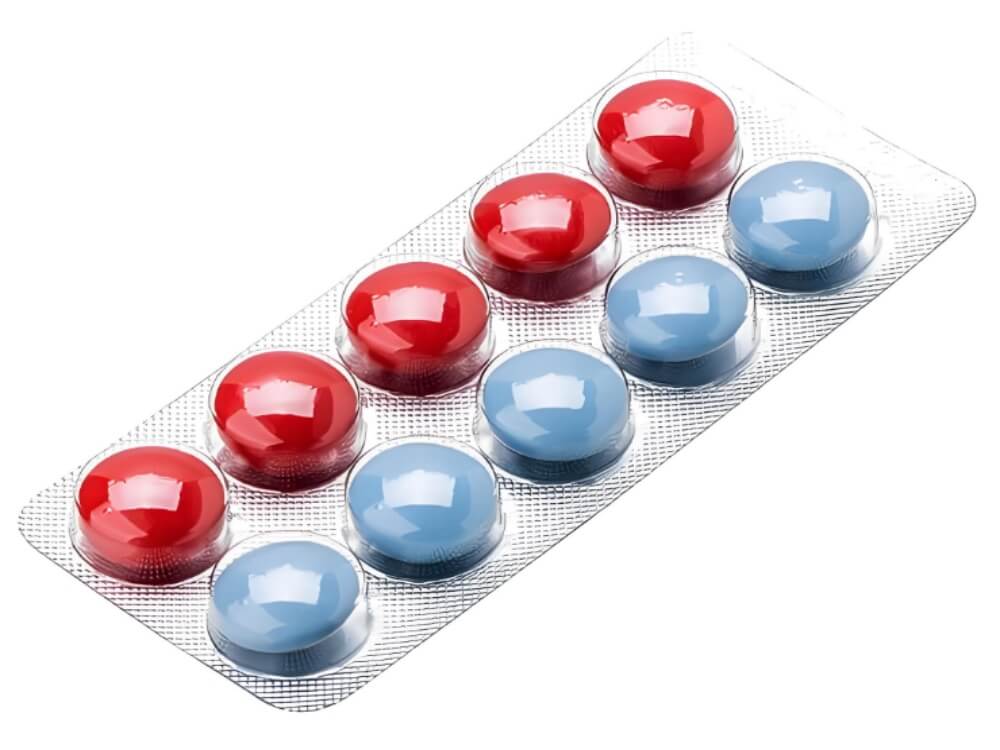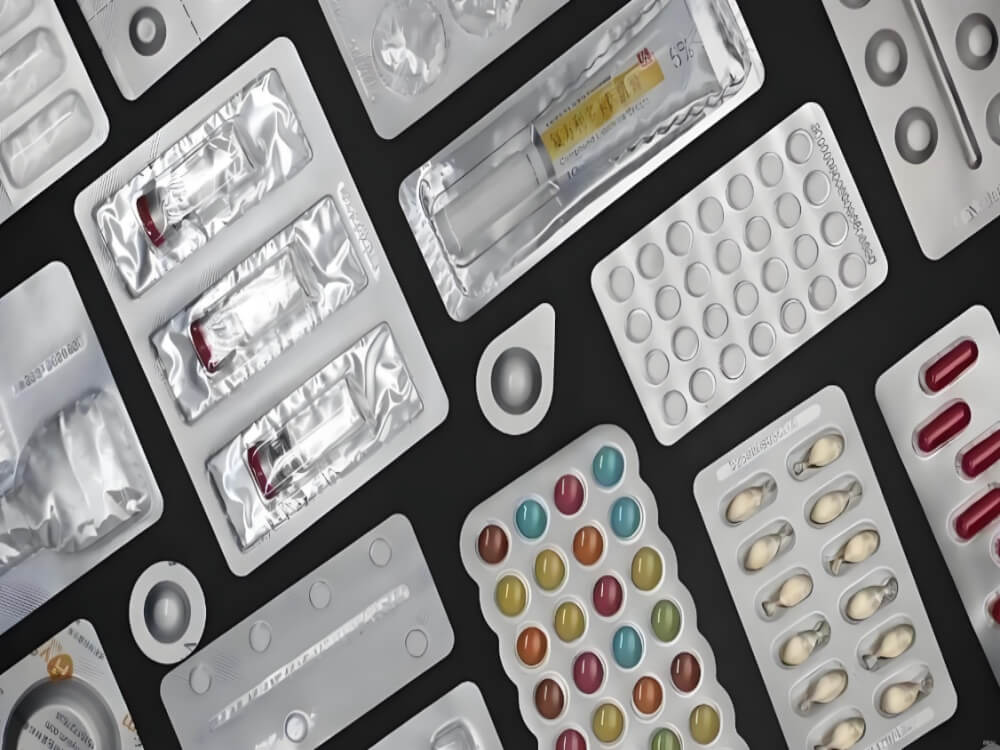


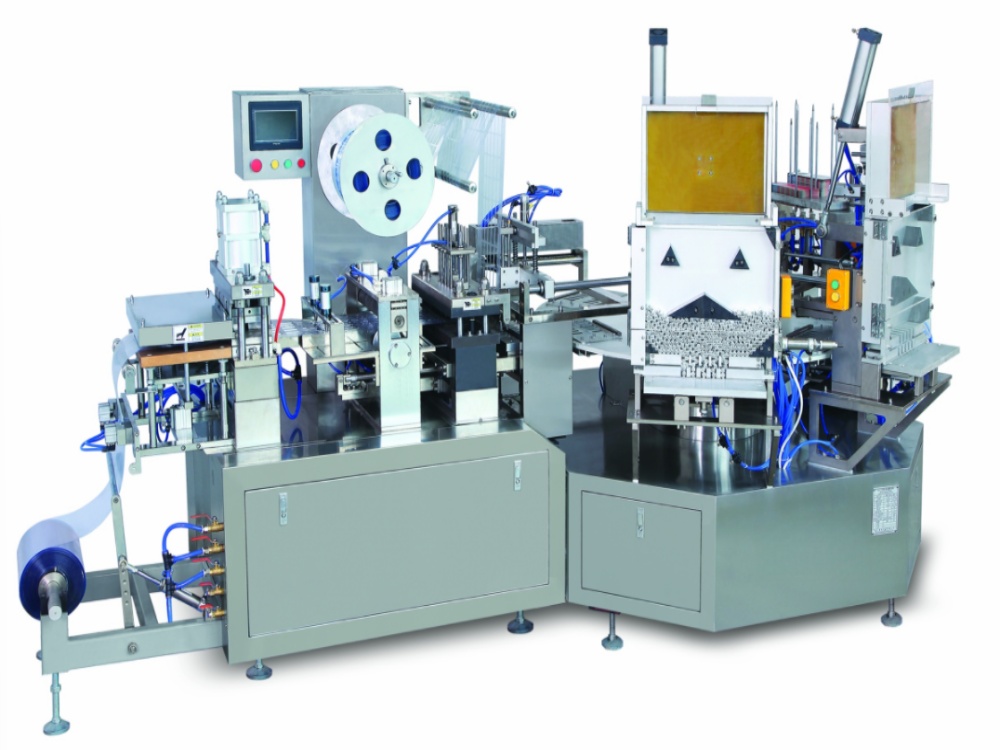
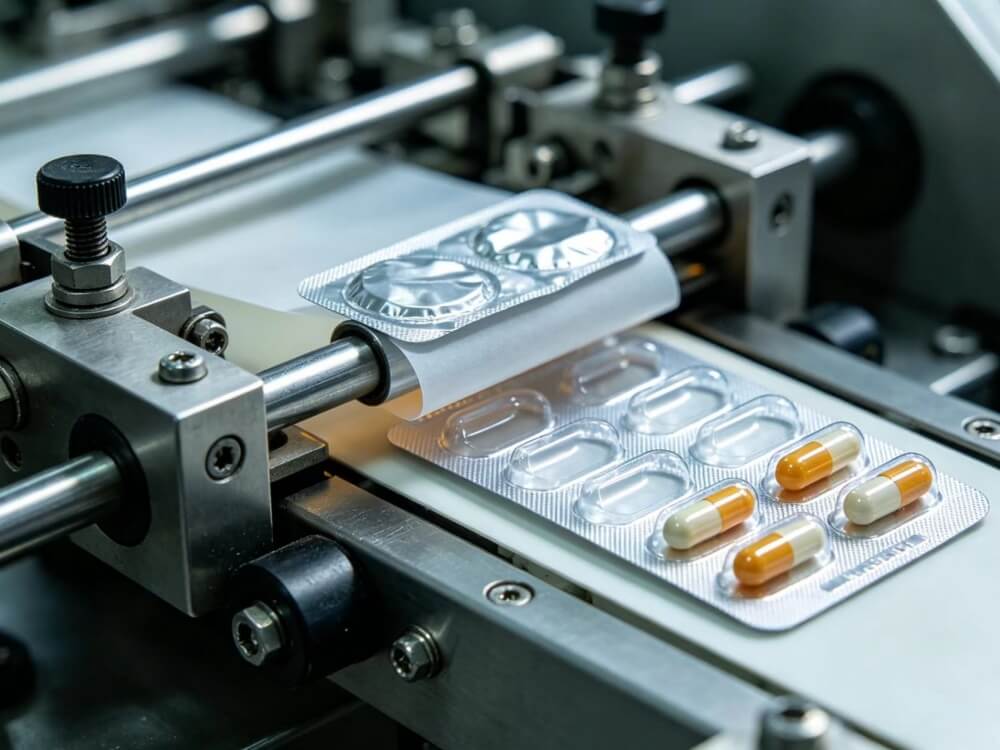
Blister packaging is a single-dose form of packaging consisting of a preformed, bubbled plastic cavity bonded to a backing material (typically aluminum foil or cardboard) by heat sealing. Each cavity contains only one dose of the drug, a single tablet, capsule, or other product.
The plastic blister is transparent and allows the patient or pharmacist to see the product without opening the package. To take the drug, all you need to do is push the pill out of the aluminum foil substrate, which only tears the seal of the package for the individual dose.
Blister packaging is made of a combination of various materials and is used because it has good barrier properties and is economical
Forming material: Most choose PVC because it is low in cost and easy to heat. If the product requires better moisture-proof protection, choose PVDC or ACLAR materials.
Heat-sealing material: Aluminum foil is the standard choice as it offers excellent moisture-proof, light-proof, and anti-oxidation properties.
Backing cardboard: An optional cardboard backing for retail packaging, capable of printing brand logos, instructions for use, and product information.
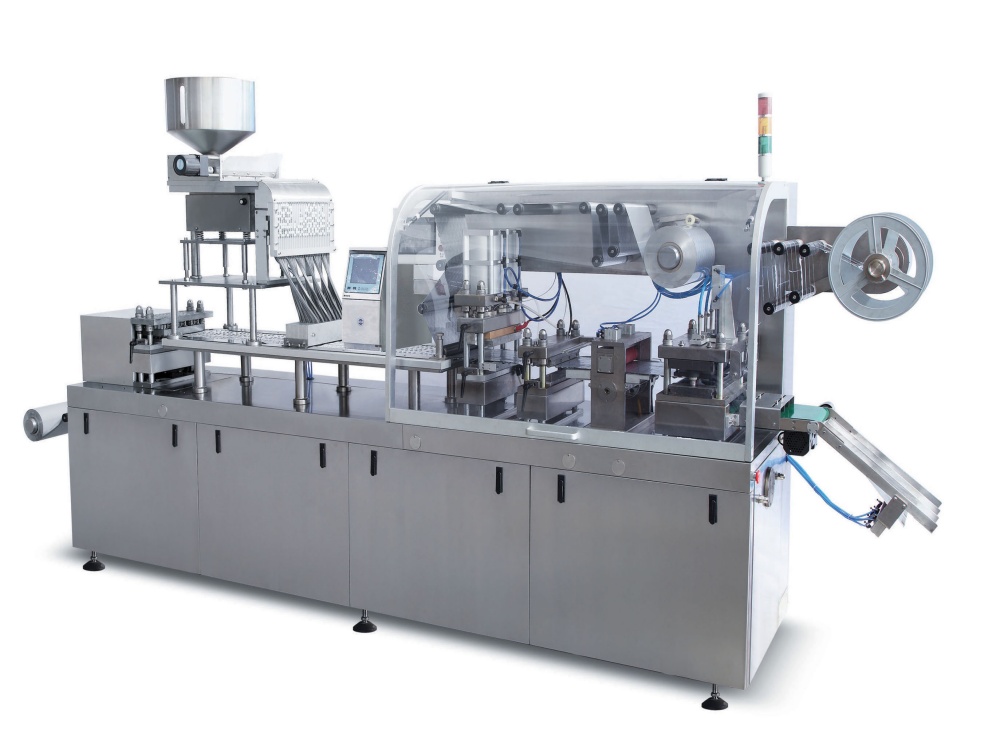
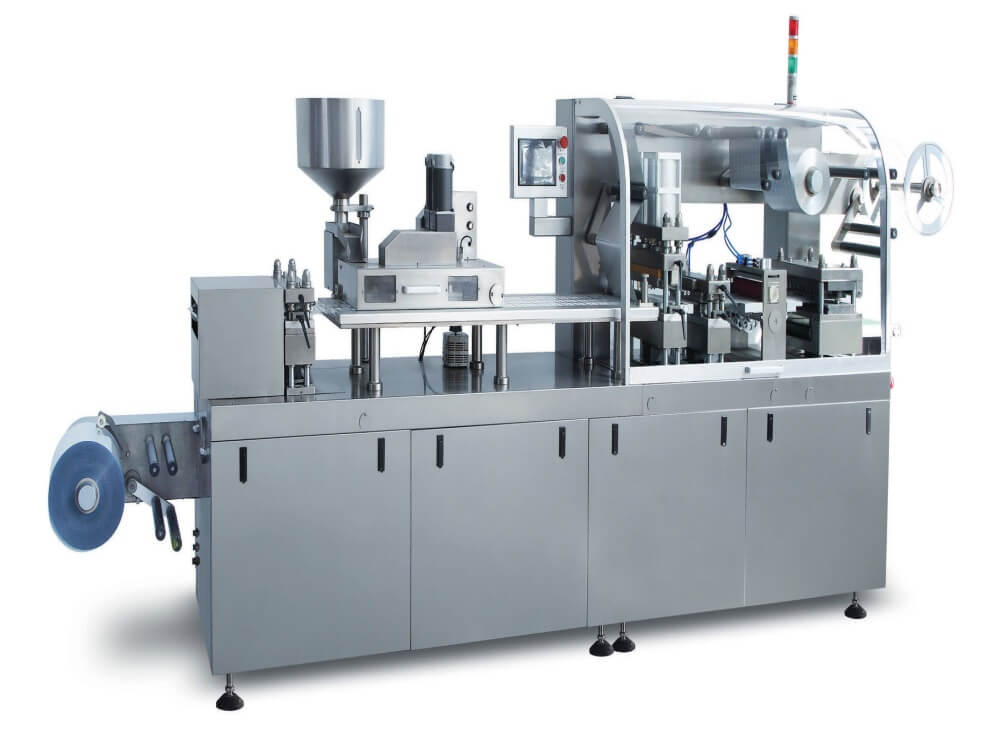
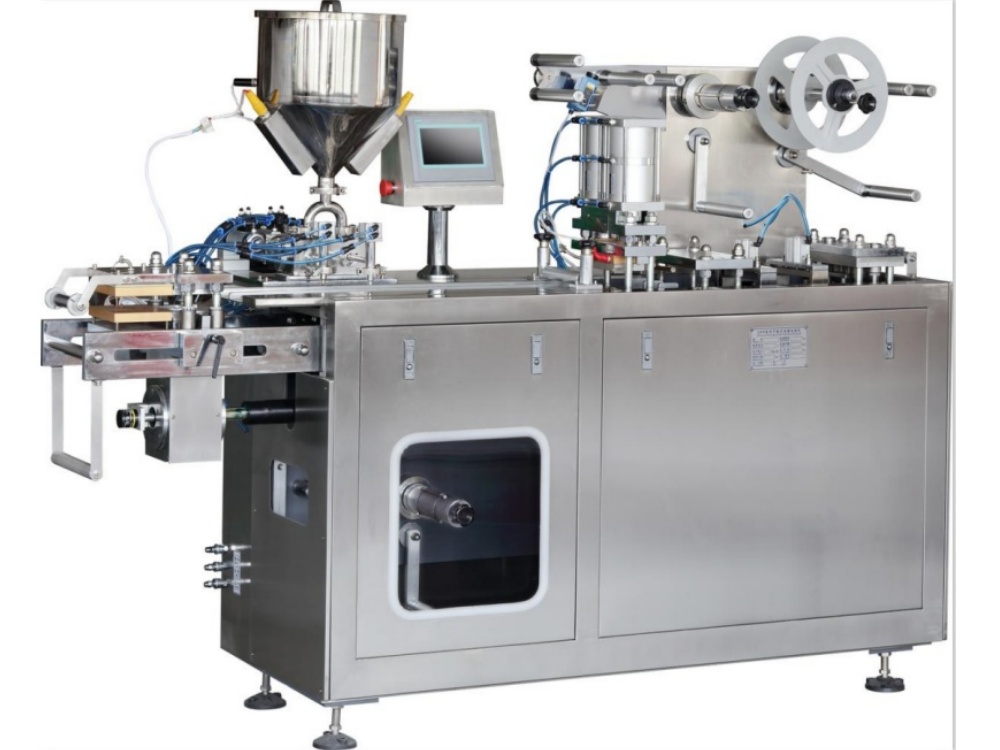
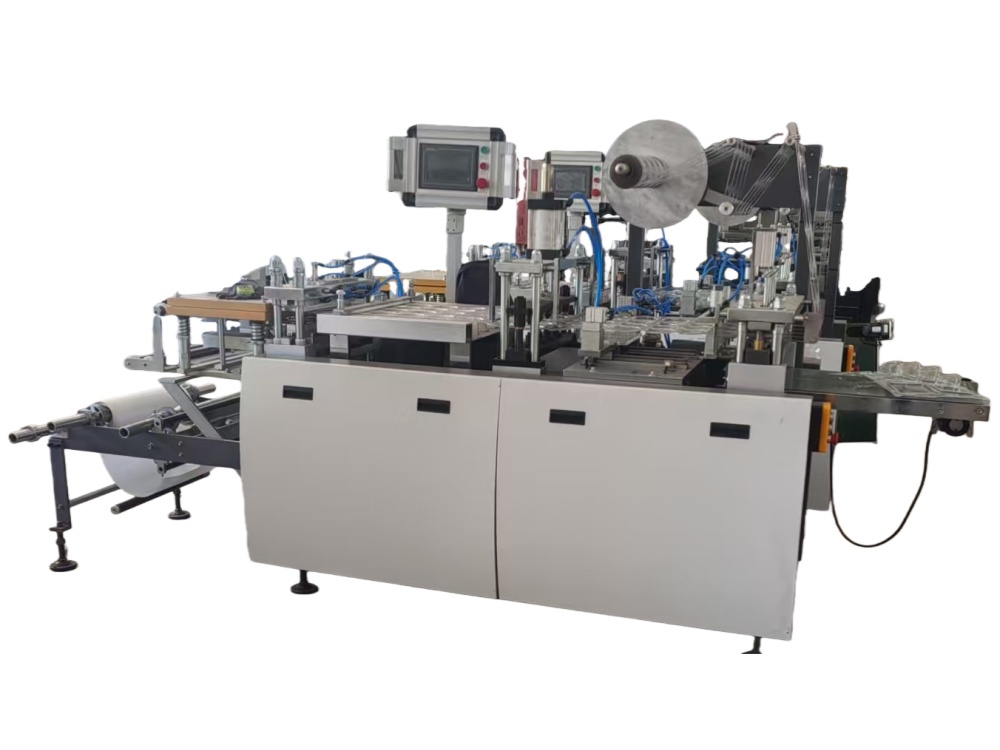
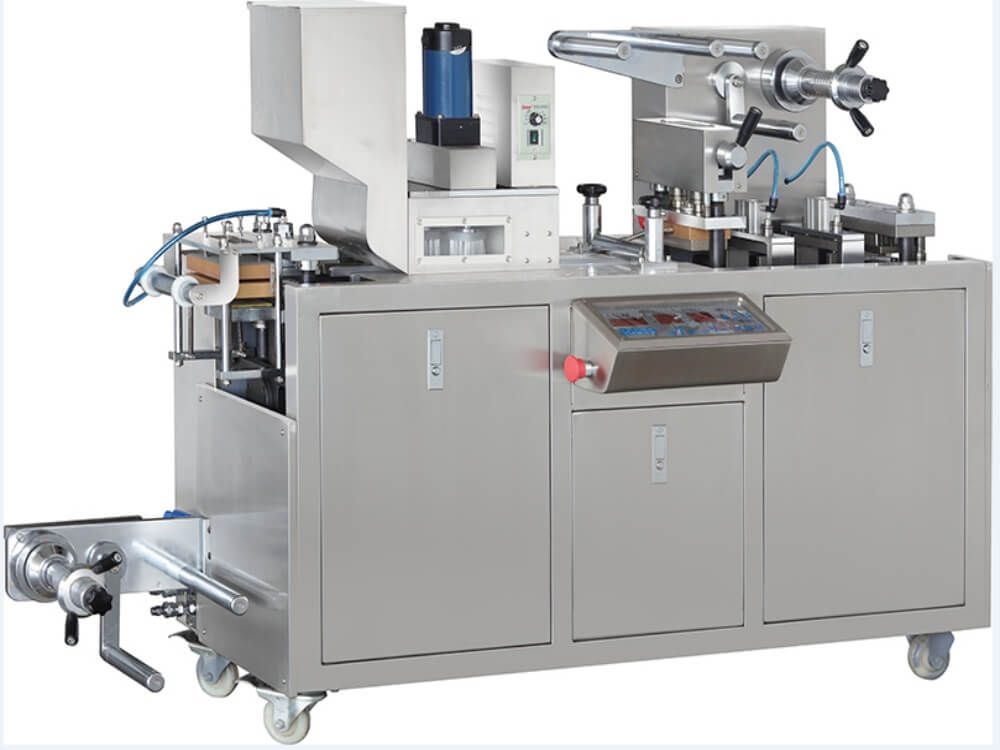
Blister packaging is produced by automatic blister packaging machines. This machine has three main functions in the continuous production process:
The current bath packaging machine can produce several thousand plates per hour, meeting the demands of medium and high output.
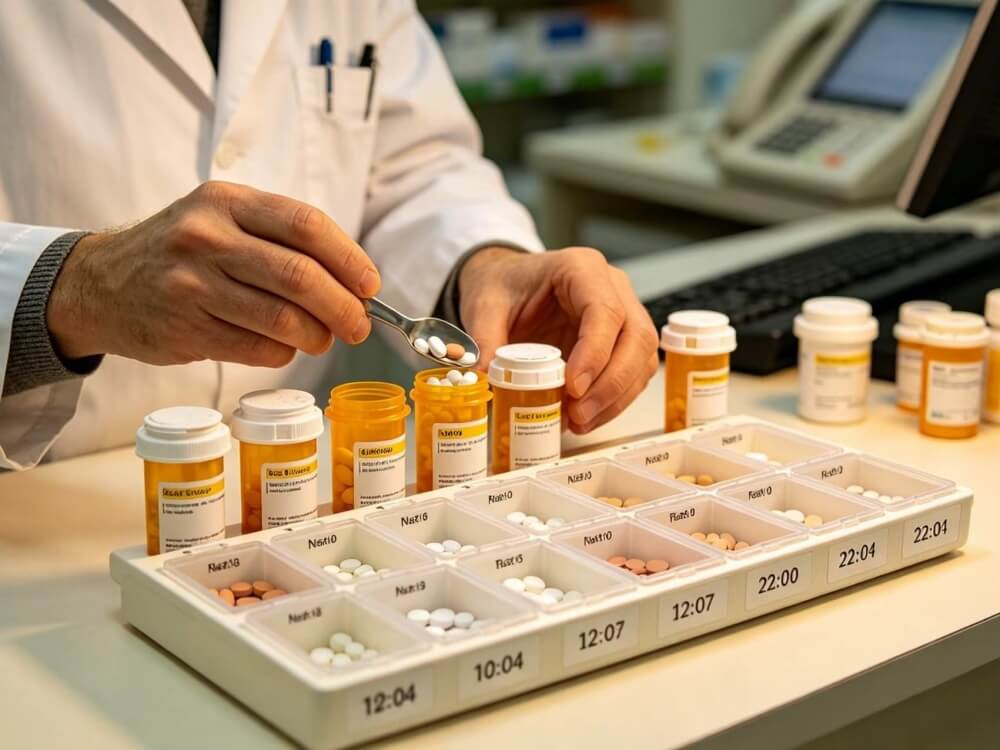
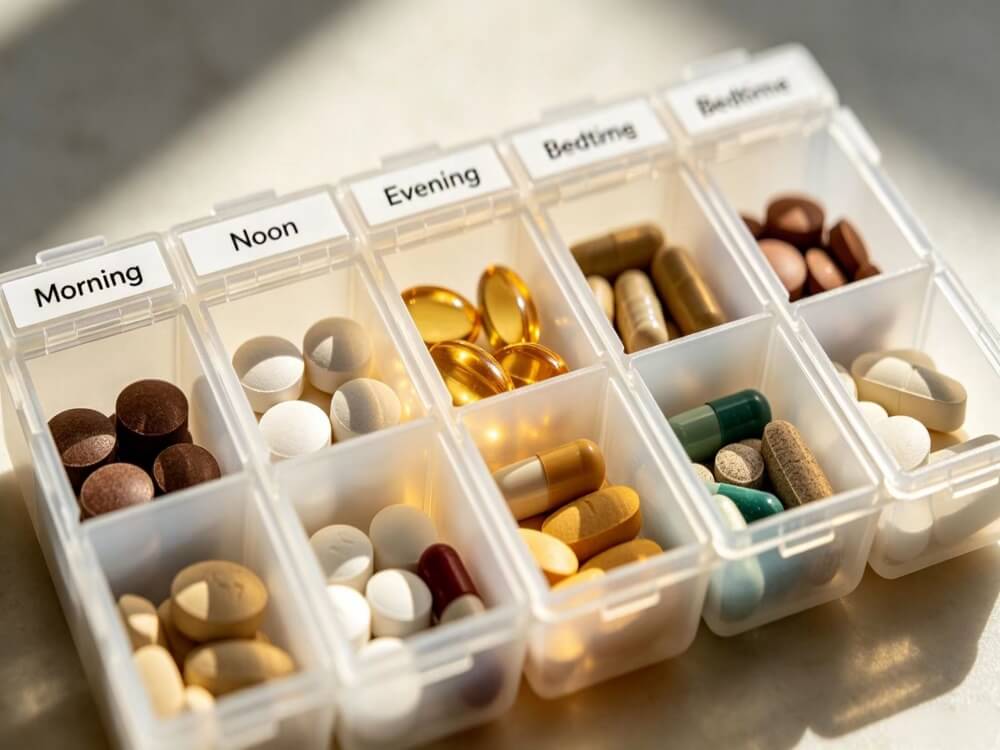
The dosage box (also known as the medicine box, pill storage box, or multi-format doctor’s advice aid tool) is a container divided into multiple independent compartments, each of which is marked with the day of the week and different times of the day (morning, noon, evening, bedtime).
Unlike blister packaging, which is already sealed by the factory according to individual doses, dosage boxes are manually loaded by pharmacists or caregivers. They take the medicine out of the original packaging bag and place it in the corresponding compartments.
The dose box is almost made of one material:
Recyclable plastic: The most commonly used medicine storage box by consumers, available in a variety of sizes and configurations.
Disposable plastic and cardboard materials: The dosage boxes distributed by pharmacies usually need to be replaced every one to four weeks.
The medicine boxes themselves are mass-produced through injection molding technology. However, loading the medicine into the medicine boxes is almost done manually:
The manual filling method makes the production process of medicine boxes rather complicated and is not very suitable for large-scale production.
It is highly suitable for complex medication regimens: multiple medications taken at different times throughout the day can be compatible.
Recyclable: Consumers’ dosage boxes can be reused multiple times, reducing waste.
Low initial capital investment: There are no special equipment requirements for the filling of dosage box drugs
To help you make a wise choice, the comparison of the most important factors for small manufacturers and traders of these two packaging forms is as follows:
| Factor | Blister Packs | Dosette Boxes |
| Production Method | Automated machine production | Manual filling by pharmacists/caregivers |
| Production Speed | 100-1,300 packs per hour (depending on machine size) | 5-20 boxes per hour (manual) |
| Per-Unit Cost | Low at scale ($0.05-$0.20 per unit) | High ($0.50-$2.00 per box) due to labor |
| Product Protection | Excellent (hermetically sealed individual doses) | Poor (exposed to air and moisture) |
| Shelf Life | 2-5 years (depending on product) | 1-4 weeks (after filling) |
| Tamper Evidence | Excellent (each dose is individually sealed) | None |
| Patient Compliance | Good for simple regimens | Excellent for complex regimens |
| Regulatory Compliance | Straightforward (standard pharmaceutical packaging) | More complex (repackaging requirements) |
| Customization | High (custom cavity sizes, shapes, and printing) | Limited (standard compartment sizes) |
| Ideal Production Volume | Medium to large batches | Small batches or individual prescriptions |
Blister packaging will be your ideal choice in the following situations:
You mass-produce or distribute over-the-counter drug products
The product requires a shelf life of six months or more
You need to comply with the regulatory requirements for drug packaging strictly
The product needs to have moisture-proof, light-proof, and pollution-proof protective functions
It is hoped that the risk of incorrect dosage of medication can be minimized
We are seeking cost-effective solutions suitable for mass production
You want to print the brand logo and product information directly on the packaging.
Blister packaging is particularly suitable for the following situations:
Dosage packaging is your wise choice in the following situations:
Dose box packaging is typically used in the following aspects:
As a small or medium-sized manufacturer or trader, your choice should be based on the following factors:
If your monthly output exceeds 10,000 pieces, blister packaging will be more economical due to the automated production process. For smaller production volumes, dose packaging or custom packaging is more economical.
The initial investment in blister packaging machines is relatively large, but in the long run, the cost is more economical. The price of small blister packaging machines is around 10,000 to 30,000 US dollars, while that of large and advanced models is over 100,000 US dollars. If you are just starting your business or have limited funds, you may consider:
While expanding the production scale, first adopt the contract packaging model.
Purchase a second-hand device.
Buying semi-automatic equipment will reduce the financial burden
Consider the special requirements of your product
Products that are prone to moisture absorption: Blister packaging requires materials with high barrier performance.
Products sensitive to light: Package with opaque materials or an aluminum foil blister
Products with a short shelf life: Dosage boxes are more suitable for medicines that are about to be distributed.
High-value products: Can benefit from the tamper-proof protection function of blister packaging machines.
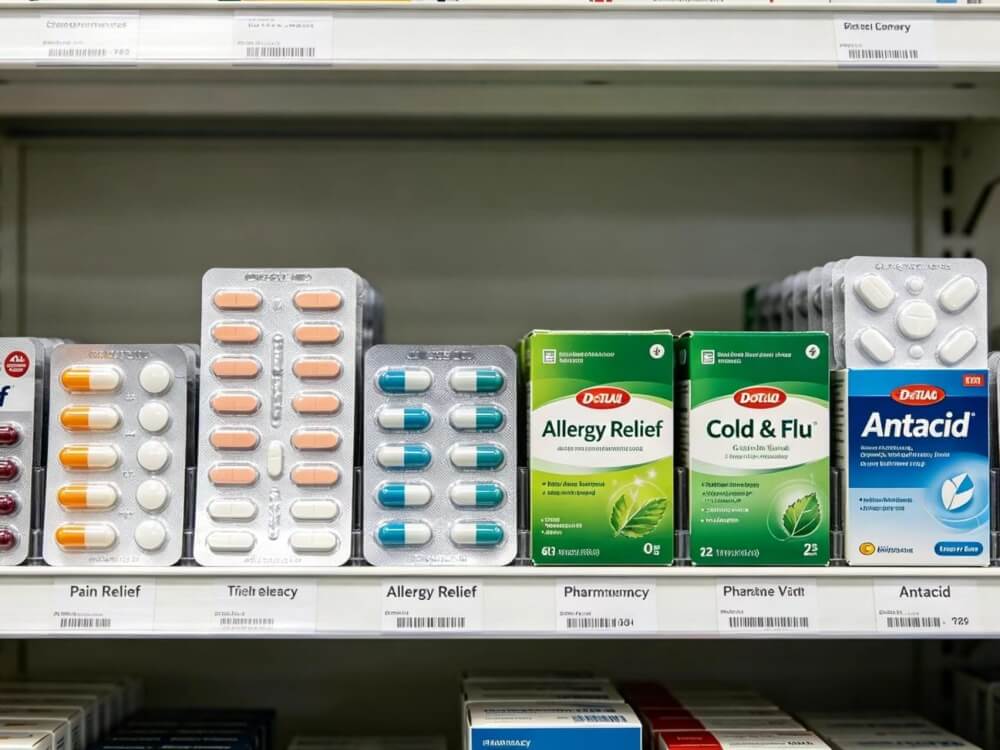
In the retail market, blister packaging is a common packaging form for over-the-counter drugs sold in pharmacies or supermarkets.
Healthcare market: Blister packaging and dosing box packaging. These two methods should be selected based on specific circumstances.
Export market: Blister packaging is the most widely adopted packaging form internationally.
Why should small businesses invest in blister packaging equipment?
Although the initial investment seems to be a large capital input, having one’s own blister packaging machine offers many benefits for small pharmaceutical enterprises and traders:
Internalize the packaging work, eliminating the additional charges charged by outsourcing packaging companies. Over time, the saved funds will soon offset the purchase cost of the machines.
With your own blister packaging machine, you can:
Produce in small batches according to demand to reduce inventory costs.
Respond quickly to changes in demand.
New products and packaging designs can be tested without paying high equipment installation fees.
Adjust the production plan according to your own schedule.
Be capable of fully controlling the packaging process to ensure the stability of product quality and compliance with relevant regulations and standards. This is particularly important for the quality and safety of drugs.
As your business grows, you can increase production by extending the production time of your equipment or upgrading to a model with a higher output. Many entry-level blister packaging devices can be upgraded with additional functions to meet your requirements.
In the pharmaceutical industry, packaging and polymer packaging serve different purposes. Make the right choice based on your business needs, production volume requirements, and target market.
Installation packaging can provide high-quality product protection, prevent tampering marks, and offer cost-effectiveness for large-scale production. It is an ideal choice for most small and medium-sized pharmaceutical manufacturers and traders. On the other hand, dose box packaging is more suitable for pharmacies or medical institutions, which need to provide personalized drug packaging for each patient.
If you are currently producing a large quantity of medicines, purchasing a batch packaging machine is a wise decision, which enables you to better control the production process of your products, reduce costs, and develop your business.
At Yabo Packaging Machinery, we are dedicated to providing high-quality and reasonably priced blister packaging machines, specifically designed for small to medium-sized enterprises. Our machines are easy to operate, require minimal maintenance, and can be customized to meet your special packaging needs.
Contact us today to get more solutions on how blister packaging can help your business grow successfully.