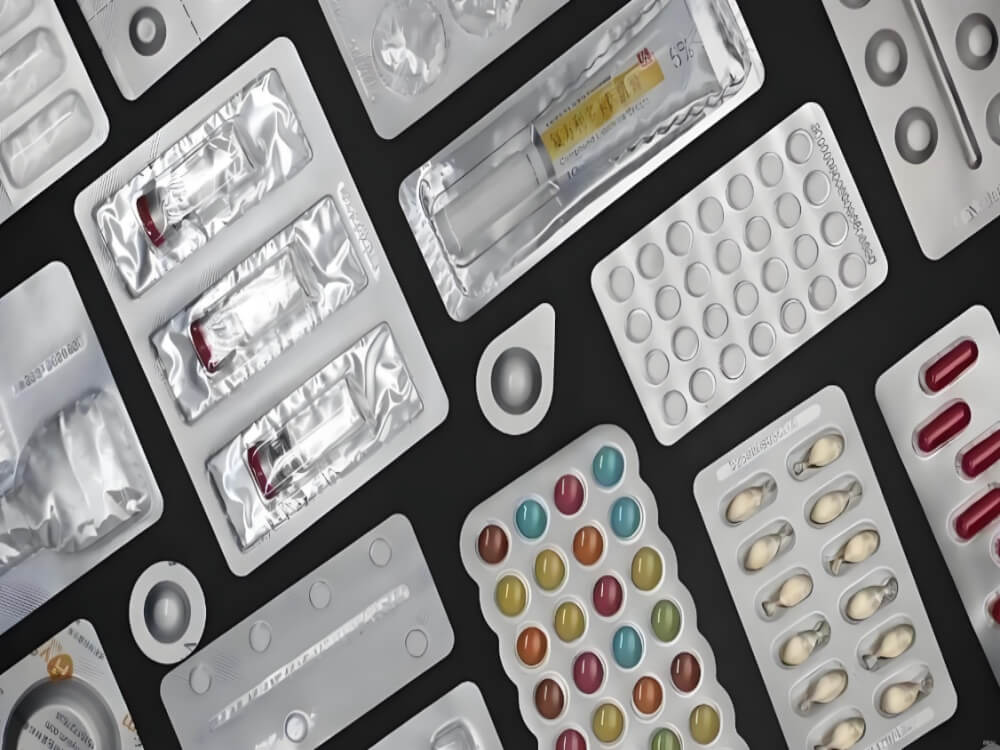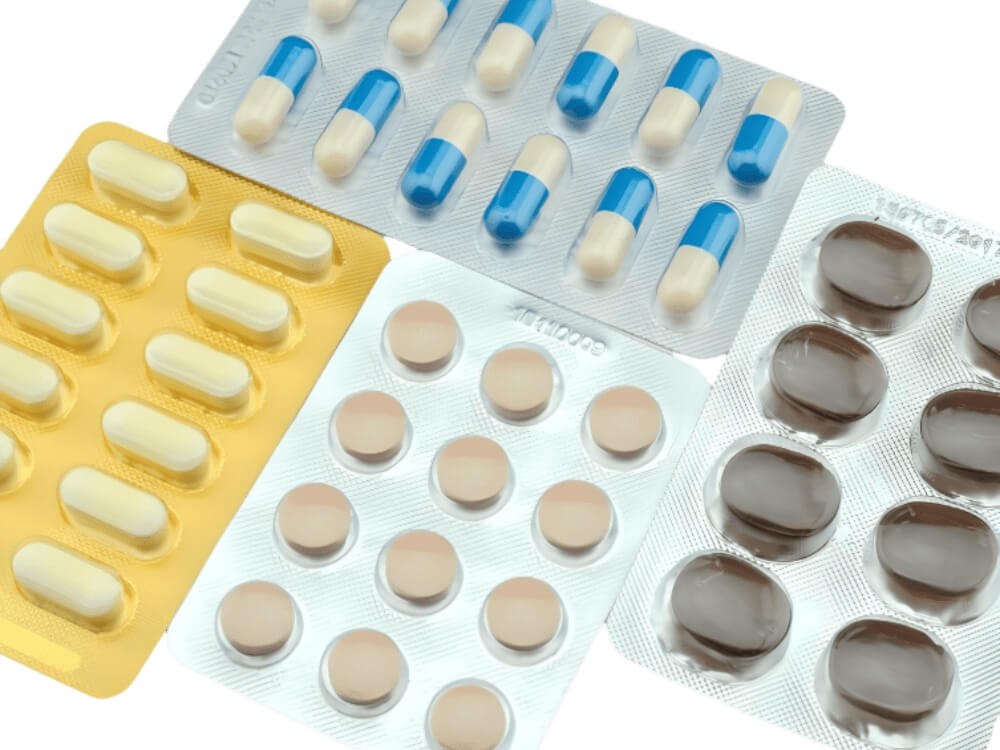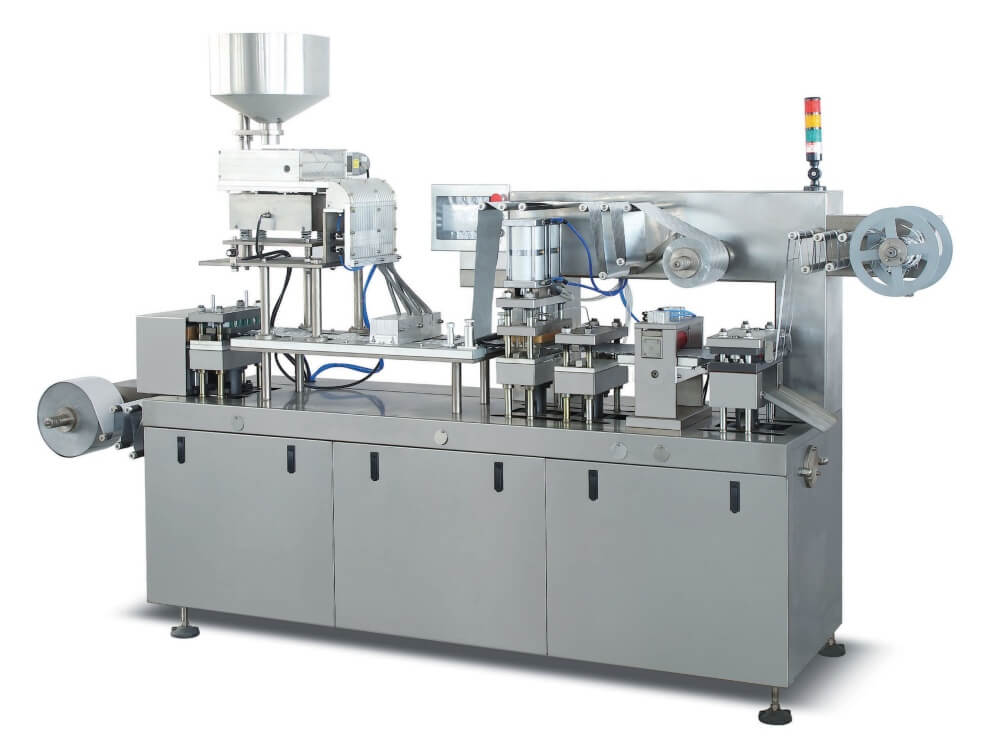

The Alu Alu blister packaging is a type of pharmaceutical packaging entirely made of aluminum foil composite material. Unlike the traditional transparent plastic (PVC) blister, Alu Alu does not rely on thermal forming but instead uses mechanical molds to “cold stamp” the composite aluminum foil into the desired blister shape at room temperature.
The most notable feature of this packaging is its opacity and extremely high physical barrier properties. It is typically used for packaging tablets, capsules, or suppositories that are extremely sensitive to light, oxygen, and moisture.
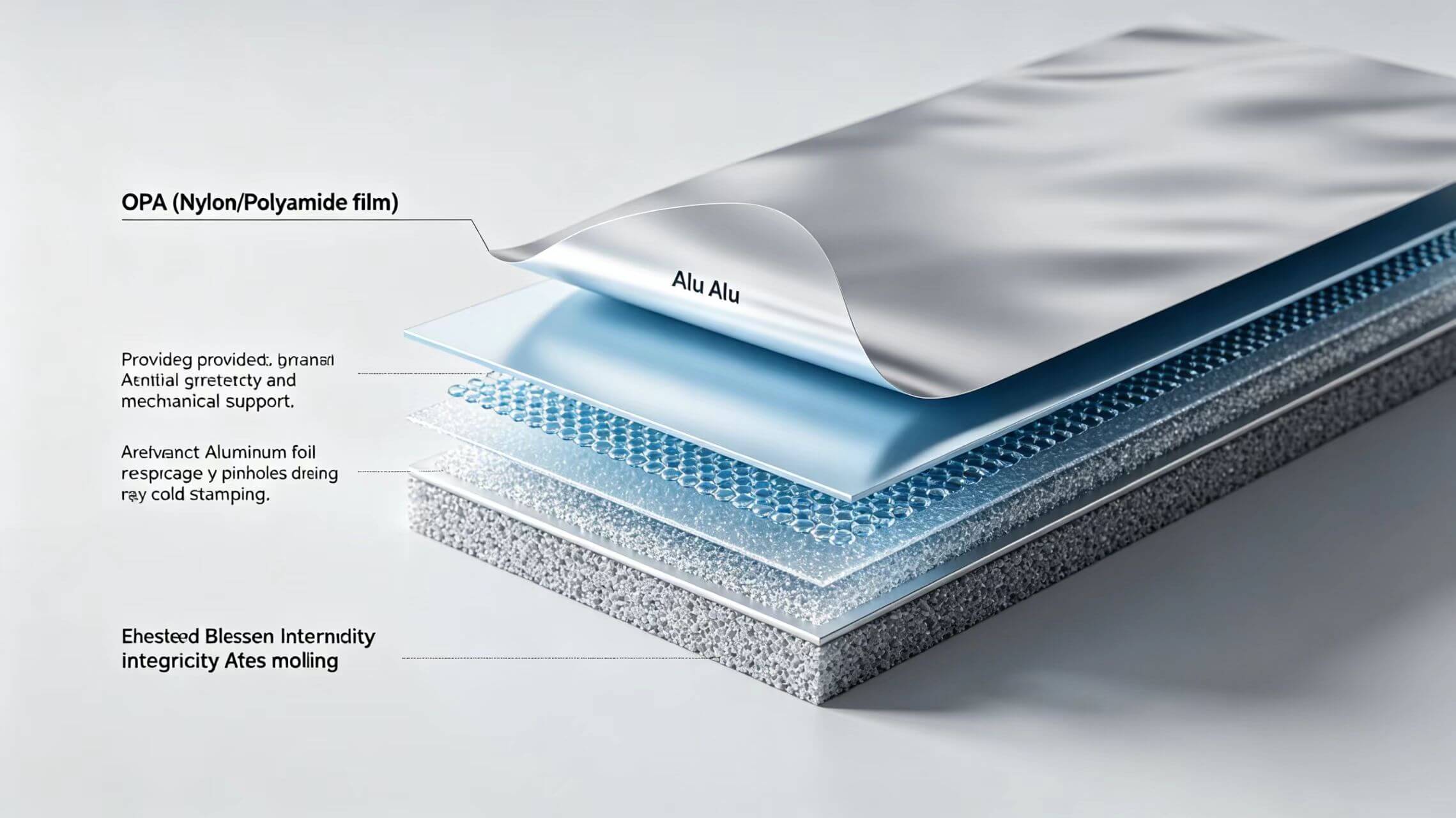
Alu Alu is not a single-layer aluminum foil. It is composed of three layers of high-performance materials, each playing an indispensable role:
The outer layer: OPA (Nylon/Polyamide film)
Function: Provides excellent tensile strength and mechanical support. During cold stamping, the OPA layer can prevent the aluminum foil from breaking or developing pinholes, ensuring the integrity of the blister after molding.
The middle layer: Aluminum Foil (aluminum foil).
Function: This is the core barrier layer. Aluminum foil can block 100% of water vapor, oxygen, ultraviolet rays, and odors. It is currently the material with the strongest barrier performance in industrial packaging.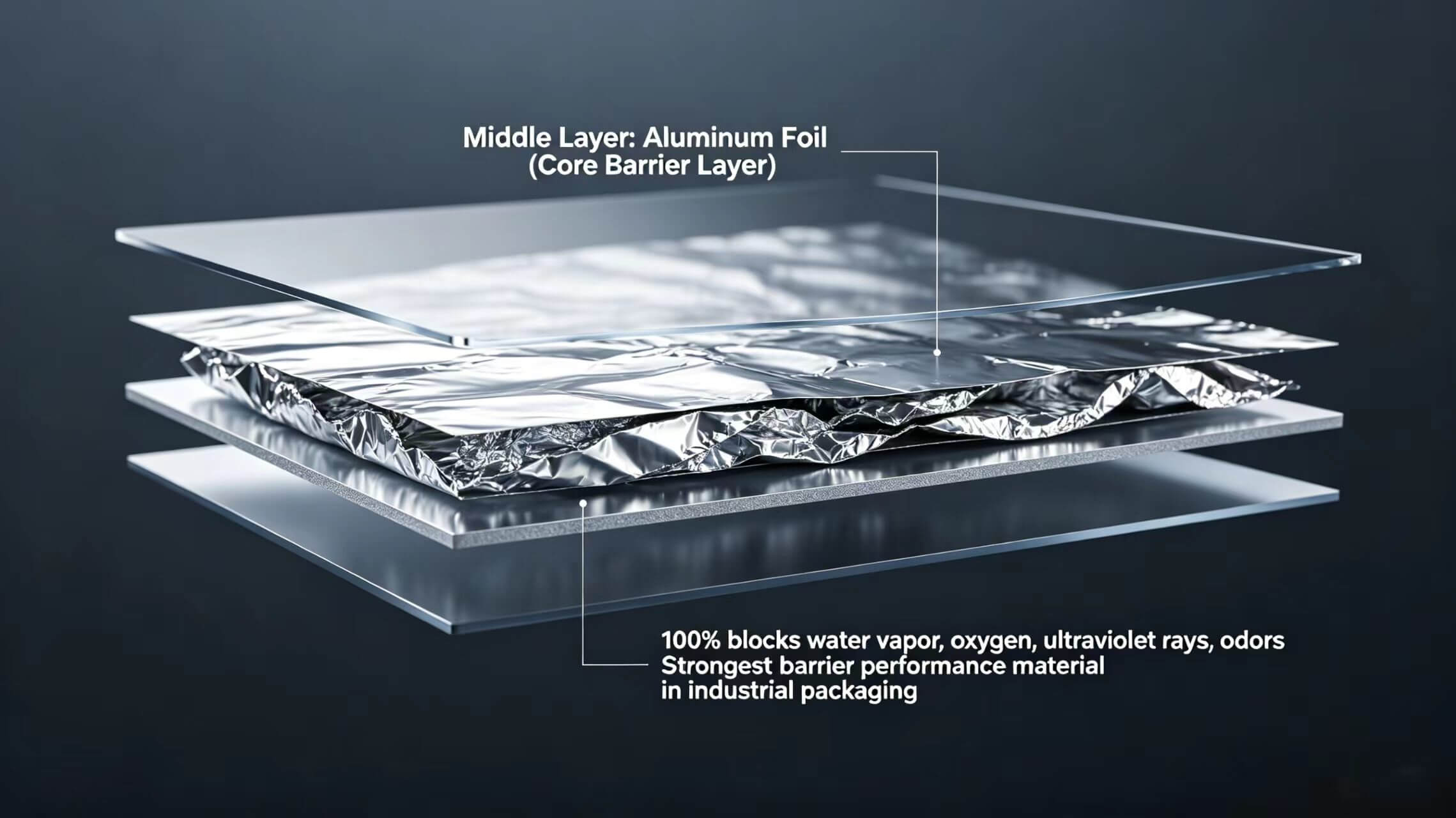
The inner layer: PVC (polyvinyl chloride)
Function: As the heat sealing layer. The PVC layer directly comes into contact with the medicine and is sealed with aluminum foil (Lidding Foil) on the packaging machine through heating, ensuring the package is sealed.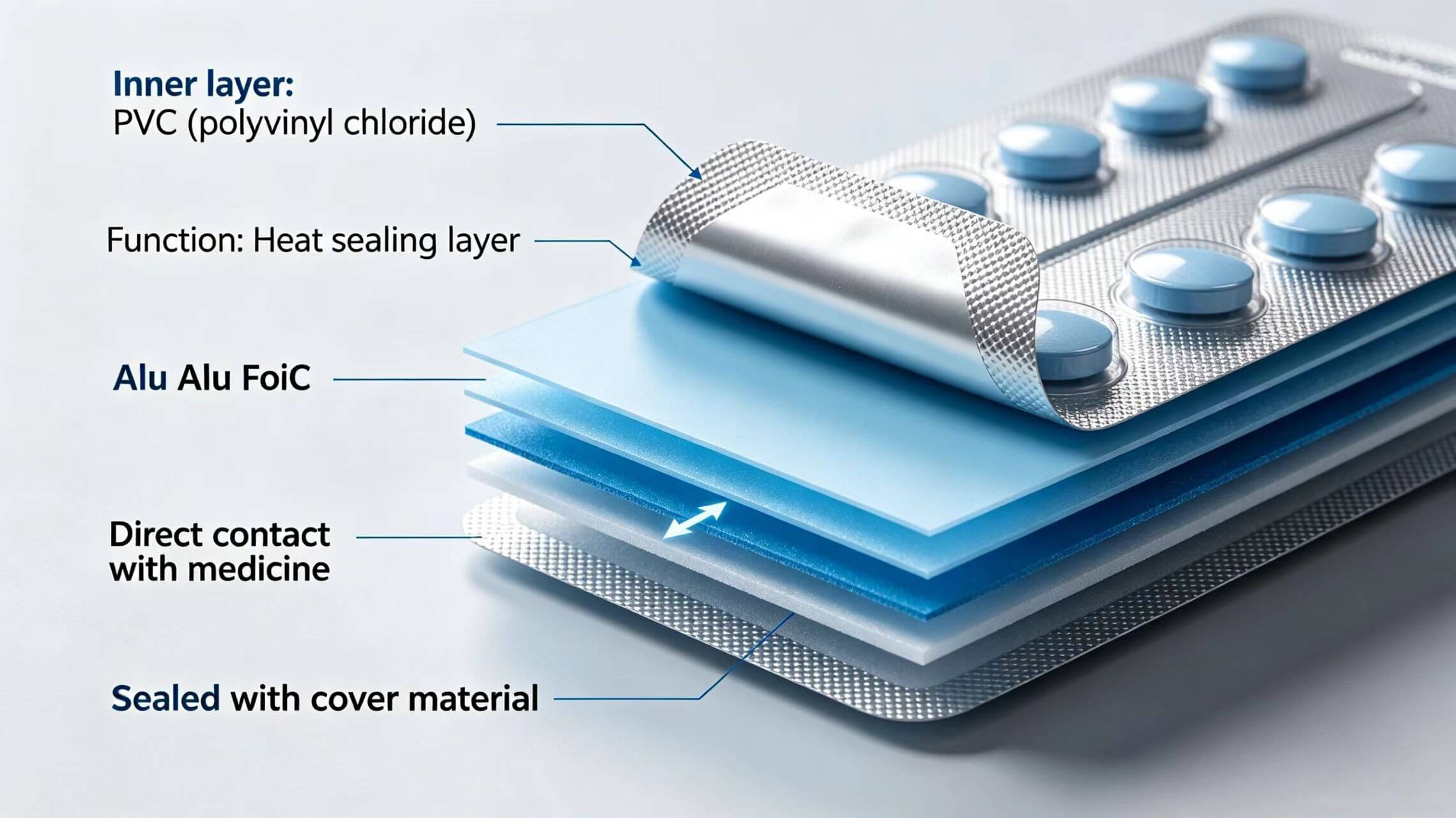
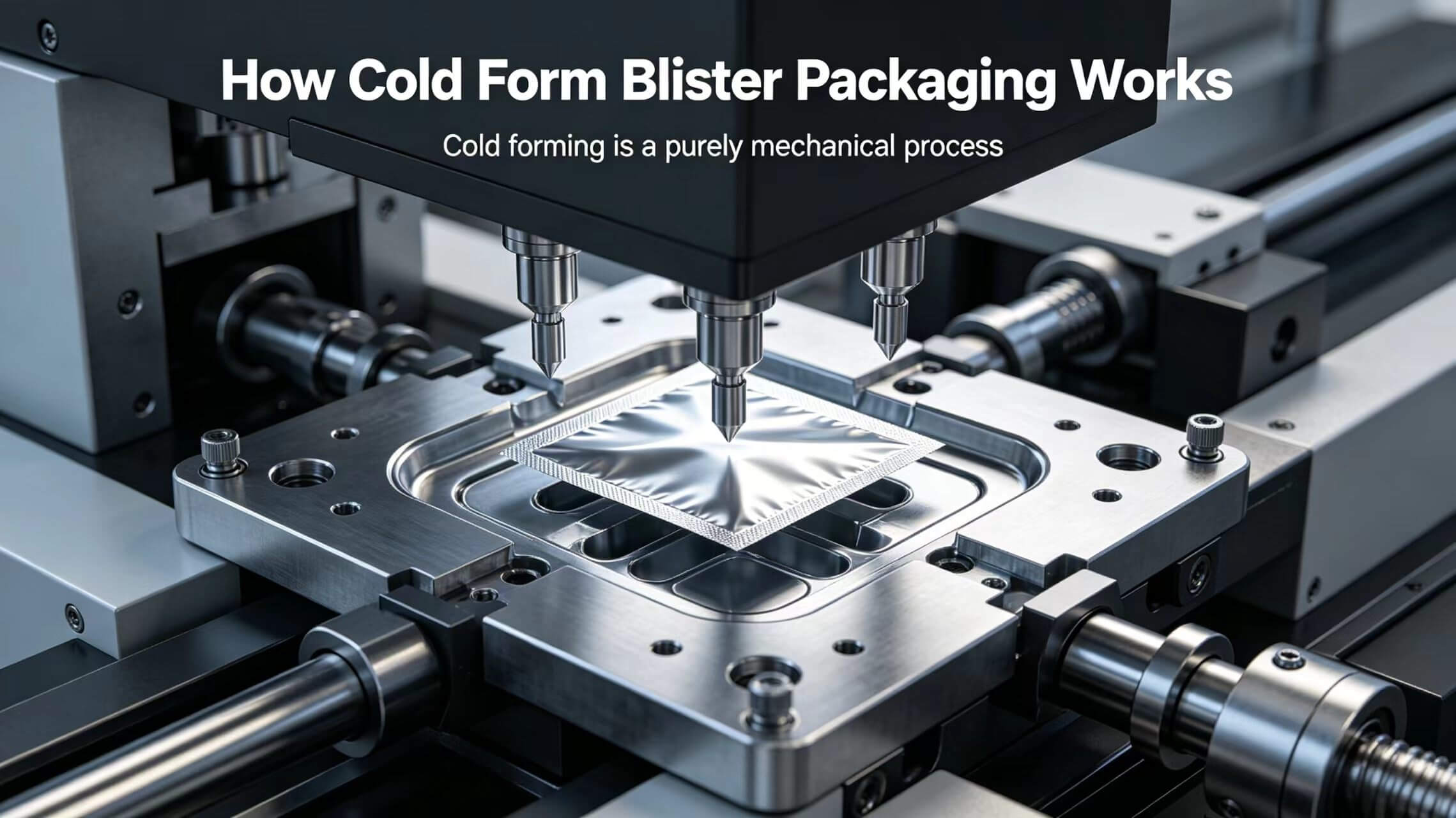
How Cold Form Blister Packaging Works
Unlike PVC packaging, which requires heating to soften, **cold forming** is a purely mechanical process.
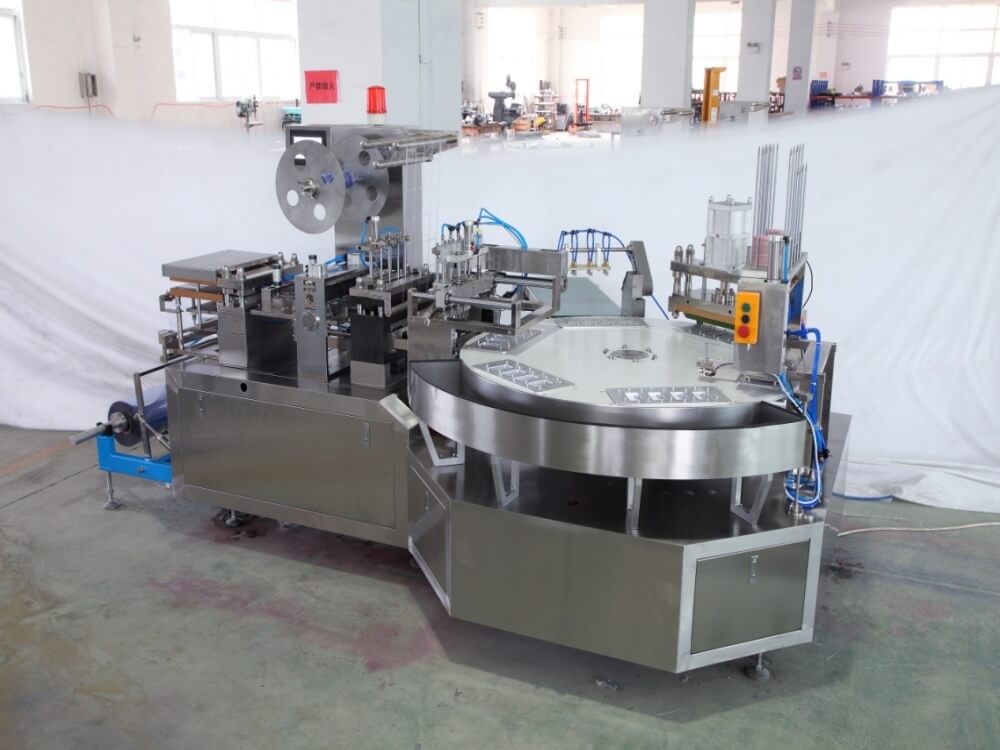
On the packaging machine (such as YABO Machinery’s high-precision blister packaging machine), the composite aluminum foil is fed into the mold. Using specially designed punches, the aluminum foil is pressed into the mold cavity at room temperature. Due to the ductility of aluminum, it will extend along the shape of the punch to form a blister. This process avoids the influence of heat on heat-sensitive drugs and also ensures that the physical structure of the packaging material is not damaged.
Why are more and more pharmaceutical companies choosing the more costly Alu Alu packaging? The answer lies in its irreplaceable protective properties.
Many active pharmaceutical ingredients (APIs) will undergo degradation, discoloration, or even failure when exposed to trace amounts of moisture or oxygen. The Alu Alu packaging provides an almost perfect “zero permeation” environment. Whether in the humid tropical climate or in an environment with high oxygen content, Alu Alu can offer a sturdy shelter for the medicines.
Due to its excellent barrier properties, drugs packaged with Alu Alu are usually able to have a longer shelf life. This is crucial for drugs that need to be stored for a long time or sold overseas. It reduces the number of drug returns and losses caused by packaging failure, and in the long run, saves huge costs for pharmaceutical companies.
The Alu Alu packaging remains stable even under extreme temperatures, unlike plastic packaging, which may deform or release harmful substances at high temperatures. Moreover, its hard metallic texture provides better mechanical protection, preventing the drugs from being crushed or damaged during transportation.
When choosing packaging materials, companies often struggle between Alu Alu (Cold Form) and PVC (Thermoforming). Here is the core comparison:
| Character | Alu Alu Blister (Cold Form) | PVC Blister (Thermoforming) |
| Forming process | Cold stamping (mechanical press | Thermoforming (heating and softening) |
| Transparency | Completely opaque (avoiding light) | Transparent or semi-transparent |
| Barrier property | Extremely high (100% blockage) | Medium (Prone to Water Vapor Permeation) |
| Material cost | Superior | Lower |
| Production speed | Slower (due to the limitation of the pressing stroke) | Quicker |
| Blister size | Greater (limitation of aluminum foil ductility) | Compact |
PVC packaging softens the plastic sheet through heating, and then it is formed using vacuum or compressed air. This method can produce very compact and aesthetically pleasing packaging, but the plastic molecules have large gaps, which cannot completely prevent molecular-level penetration. However, Alu’s cold stamping process sacrifices the compactness of the packaging but gains absolute safety.
For antibiotics, effervescent tablets, or highly moisture-prone medications, PVC packaging often fails the stability test. In such cases, Alu Alu is the only option. It not only serves as the packaging but also acts as an insurance box for the quality of the medicine.
Although the material cost and machine depreciation cost of Alu Alu are higher, considering that it can significantly reduce the risk of drug expiration and extend the sales cycle, its overall investment return rate (ROI) is far superior to that of PVC in the high-end pharmaceutical sector.
Which products require Alu packaging the most?
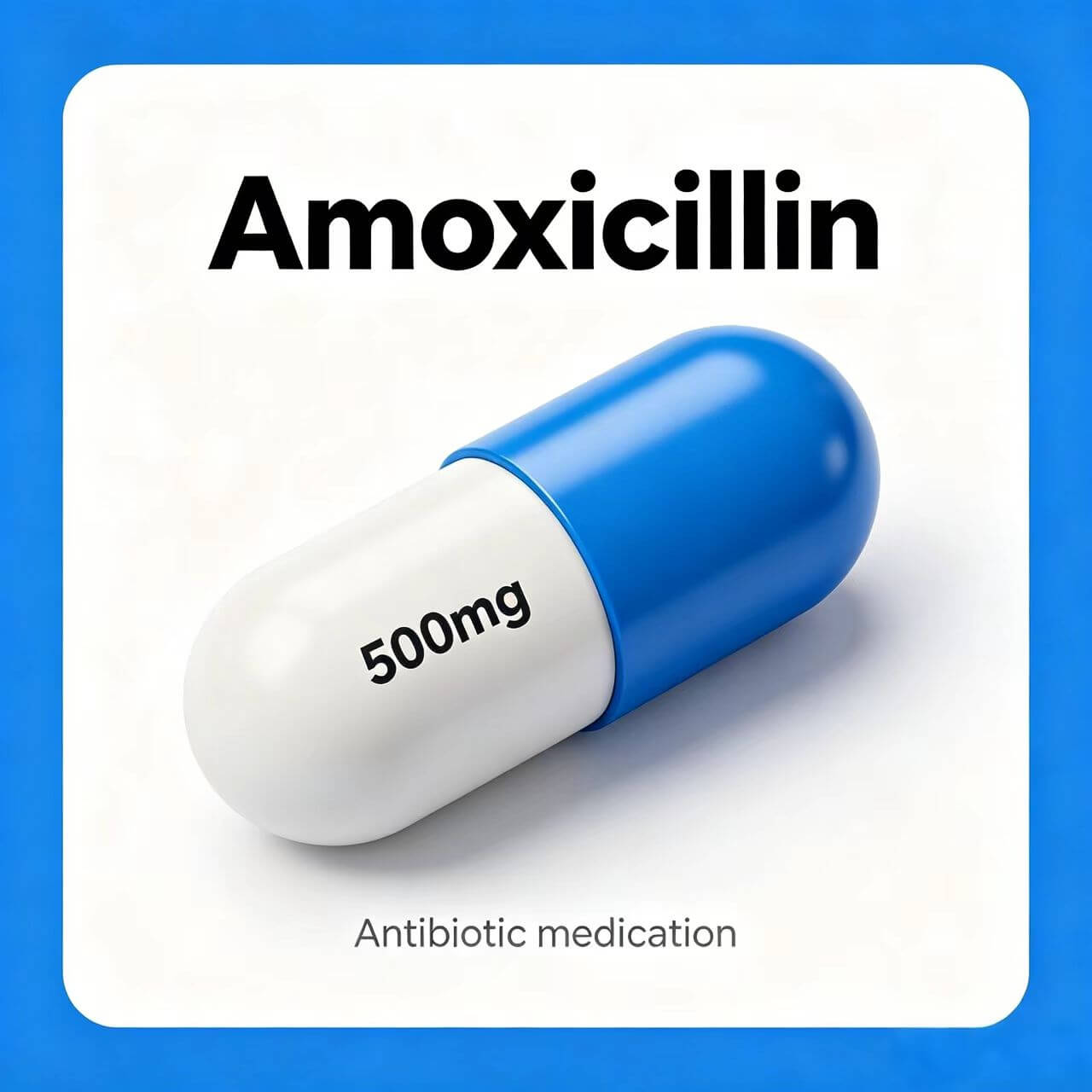
For antibiotics such as amoxicillin and clavulanate potassium, these drugs are highly prone to decompose due to absorbing moisture from the air. Alu Alu is the standard configuration for these types of drugs.
Many vitamins and hormone-based drugs undergo chemical reactions when exposed to ultraviolet light. The fully opaque nature of Alu Alu provides natural protection from light.
As consumers’ demands for the quality of health supplements have increased, many high-end probiotics and enzyme preparations have also started to use Alu Alu packaging to ensure that the active ingredients remain effective when reaching the consumers.
Choosing high-quality Alu Alu materials and matching packaging machinery is the key to success.
A qualified supplier must possess ISO certification and DMF (Drug Master File) registration. This ensures that the packaging materials comply with international pharmacopoeia standards and will not cause any migration or contamination of the drugs.
Excellent suppliers (such as the partners of YABO Machinery) can offer customized printing services (such as anti-counterfeiting printing) as well as different thicknesses of aluminum foil configurations to balance the strength and cost of the packaging.
The Alu Alu blister packaging, with its outstanding barrier properties, has become an indispensable part of the modern pharmaceutical industry. Although its production process is more complex than PVC, the security it provides for sensitive drugs is irreplaceable.
As a professional packaging machinery expert, YABO Machinery is committed to providing efficient and stable Alu Alu blister packaging solutions for global pharmaceutical enterprises. Whether you need to upgrade your existing production line or are developing new, highly sensitive drugs, we can offer you comprehensive support from material selection to machine debugging.
If you want to learn more about the Alu Alu packaging machine or obtain a customized solution? Please contact the expert team of YABO Machinery!