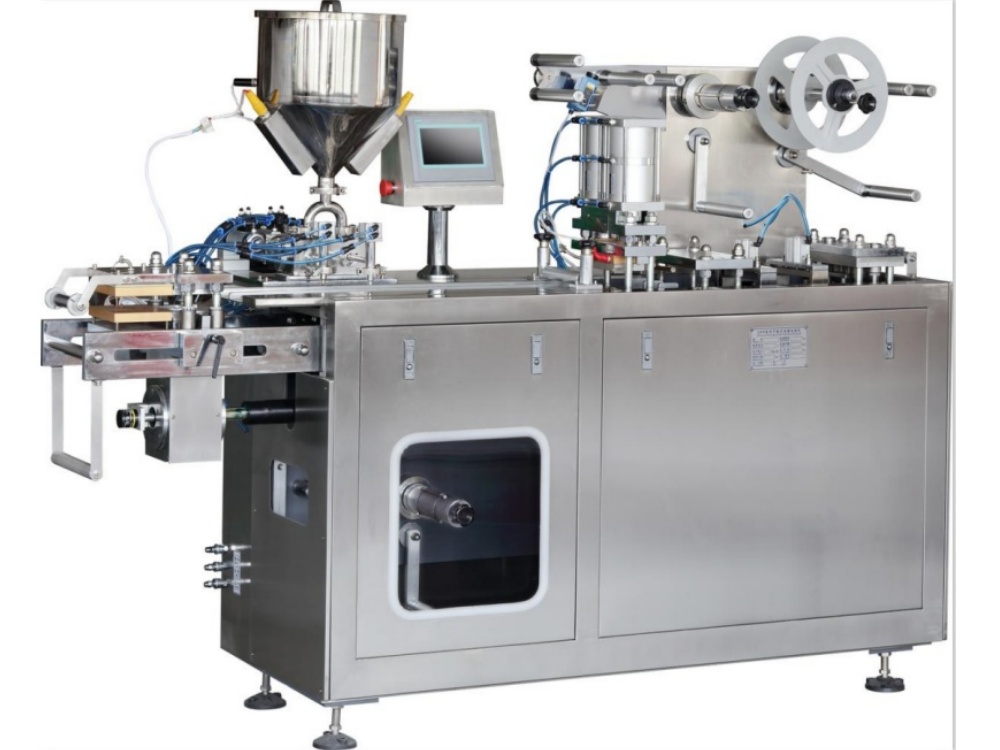
In the world of pharmaceutical and food manufacturing, the Blister Machine Operator is the heartbeat of the production line. While the machine provides the power and precision, the operator provides the intelligence and oversight necessary to turn raw materials into perfectly sealed, compliant, and market-ready products.
Whether you are a factory owner looking to train your staff or a procurement manager sourcing the latest blister packaging technology, understanding the nuances of machine operation is critical for maximizing your Return on Investment (ROI).
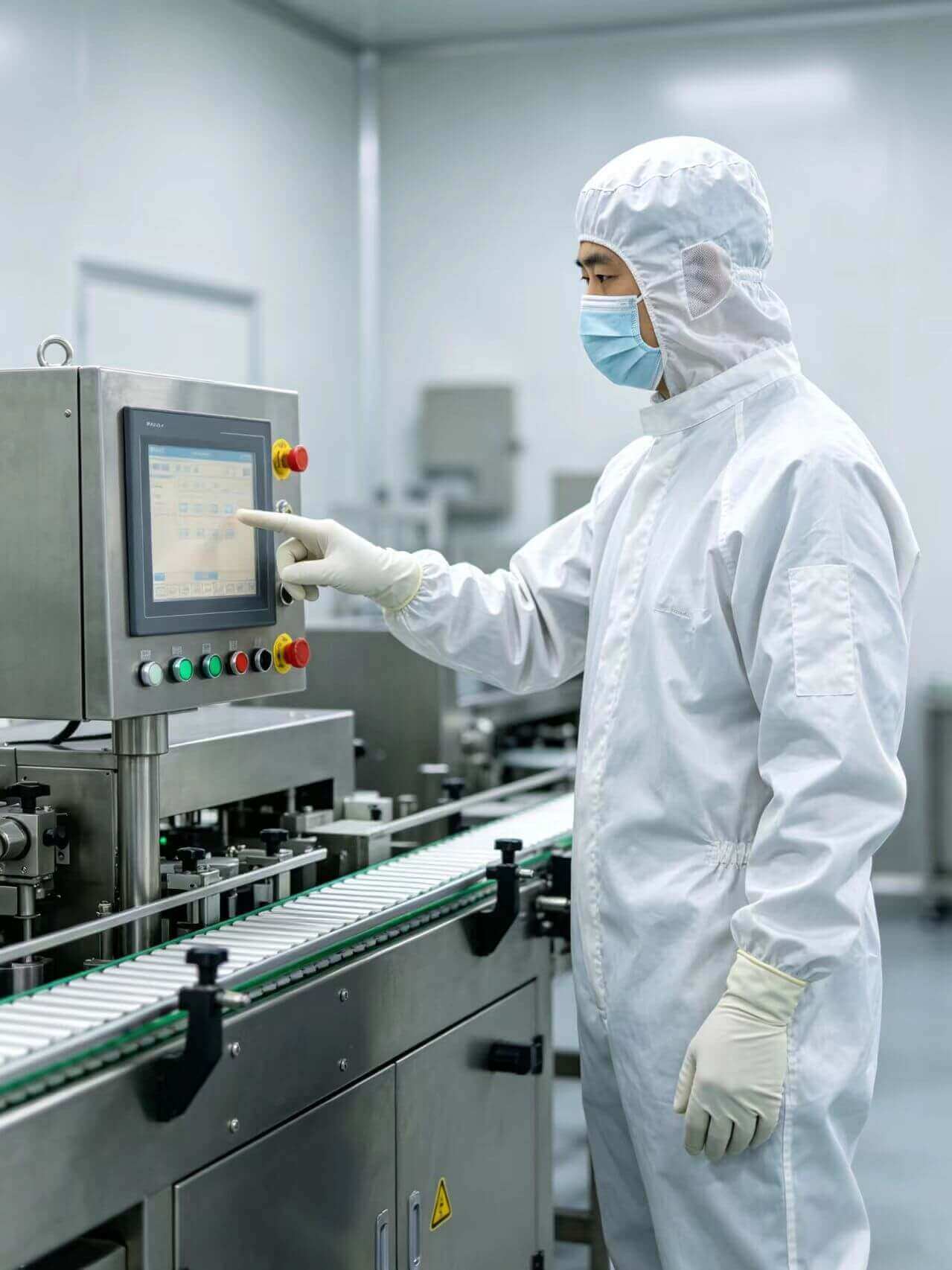
A Blister Machine Operator is responsible for more than just “pressing buttons.” They manage a complex ecosystem of mechanical movements, temperature controls, and material synchronization.
Before the first blister pack is even formed, the operator must set up the machine according to specific product requirements. This includes installing the correct molds (forming and sealing), adjusting the feeding system, and setting the heating temperatures for PVC, ALU, or PET materials.
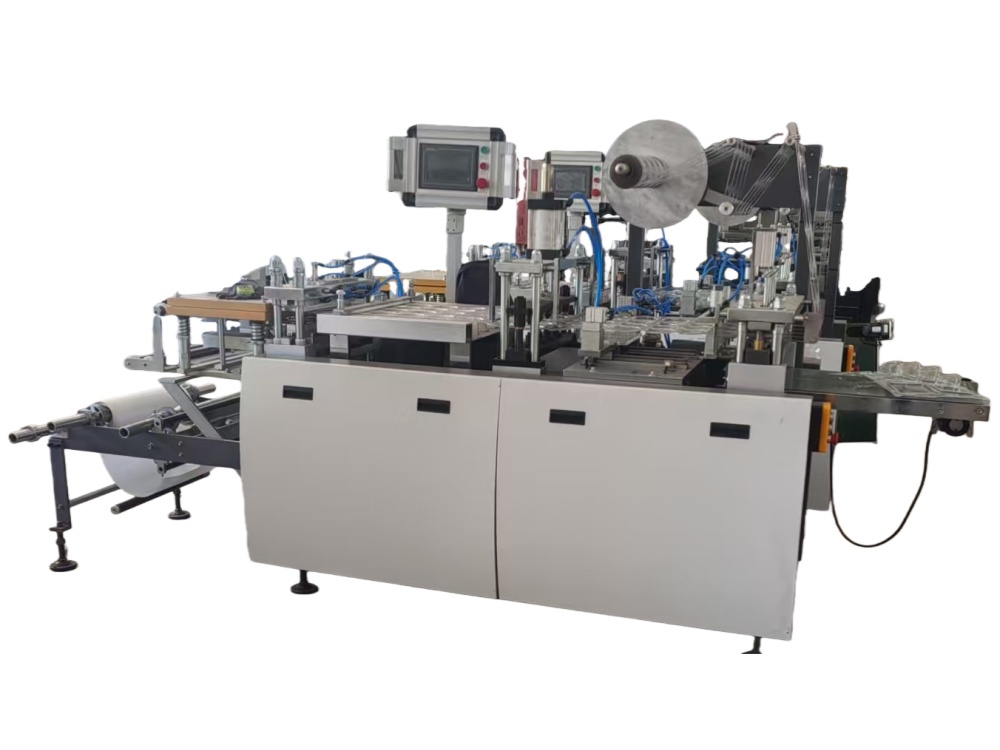
During a production run, the operator monitors the PLC (Programmable Logic Controller) interface. They keep a close eye on:
Forming Temperature: Ensuring the plastic film is soft enough to mold without burning.
Sealing Pressure: Guaranteeing a leak-proof seal for medication or food.
Machine Speed: Balancing output volume with quality control.
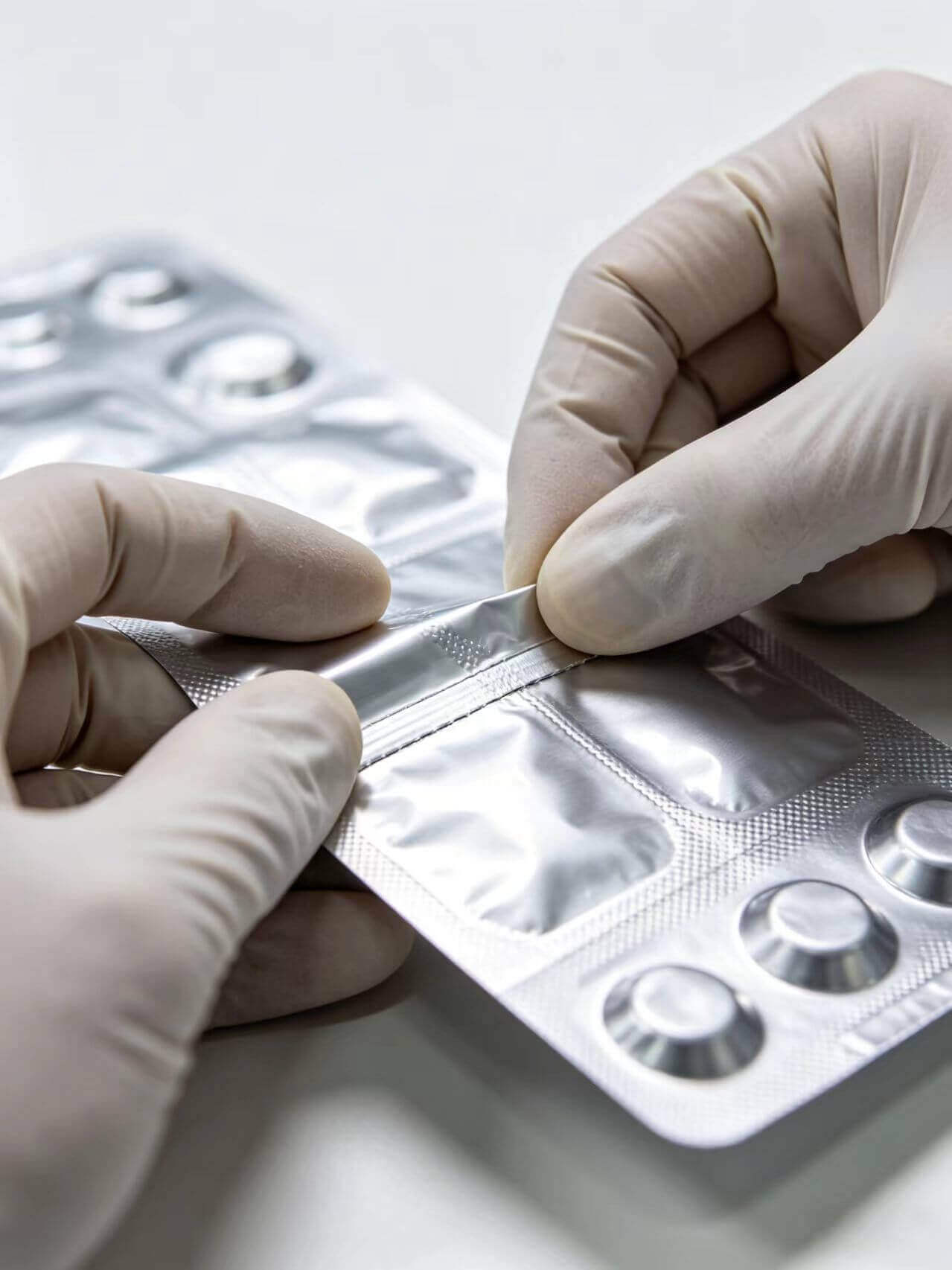
The operator is the first line of defense against defects. They perform regular “leak tests” and visual inspections to ensure every pocket is filled correctly and every seal is airtight. If a jam occurs or the film tears, the operator must diagnose the issue instantly to minimize downtime.
To run a high-performance blister packaging line, an operator needs a blend of technical “hard” skills and observant “soft” skills.
Mechanical Aptitude: Understanding how cams, gears, and pneumatic systems work together.
Attention to Detail: Noticing a 1mm misalignment before it ruins a 1,000-meter roll of foil.
GMP Knowledge: In the pharmaceutical industry, adhering to Good Manufacturing Practices (GMP) is a non-negotiable requirement. Operators must maintain a sterile environment and document every step of the process.
Problem-Solving: The ability to troubleshoot “on the fly” when the machine throws an error code.
Hiring or training a high-level Blister Machine Operator isn’t just a labor cost—it’s a profit strategy. Here is how they impact your bottom line:
Raw materials like cold-form foil (ALU-ALU) are expensive. An experienced operator knows how to thread the machine and calibrate the “eye-mark” sensor perfectly, reducing the amount of scrap material generated during startup and transitions.
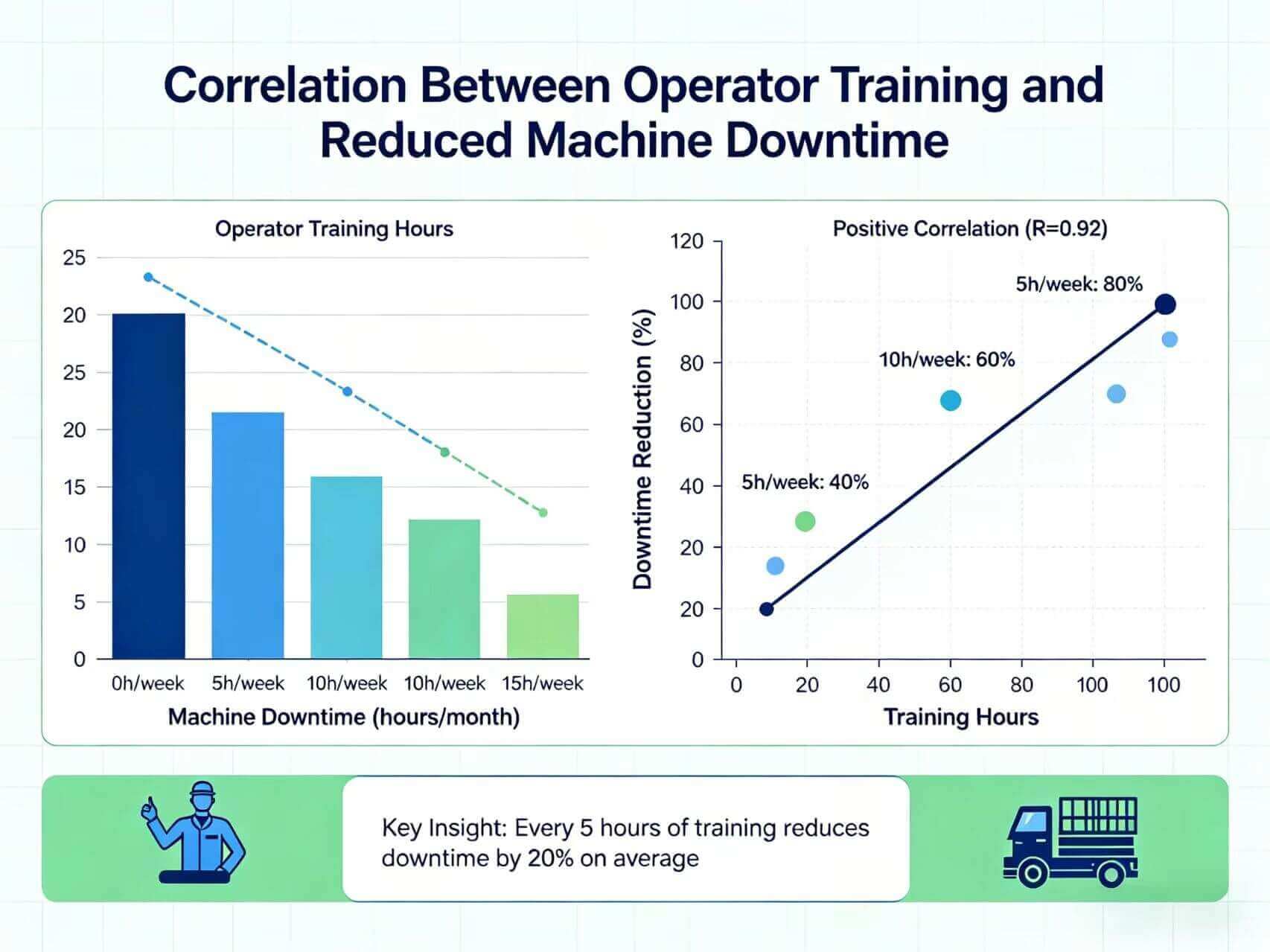
“Downtime is the enemy of profit.” A skilled operator performs preventative maintenance—such as cleaning the sealing rollers and lubricating moving parts—which prevents catastrophic mechanical failures that could stop production for days.
In the pharmaceutical sector, a single batch of poorly sealed blisters can lead to a massive recall. A diligent operator ensures that 100% of the output meets safety standards, protecting your brand reputation.
To keep a blister machine running at peak performance, operators should follow a strict daily routine. If you are looking to buy a machine, ensure it is designed for “easy access” to these areas.
Clean the Forming Molds: Remove any plastic residue or dust that could affect the shape of the blister.
Check the Cooling System: Ensure water is flowing correctly to prevent the machine from overheating.
Inspect the Cutting Blade: A dull blade leads to jagged edges and poor aesthetics.
Verify the Sensors: Clean the photoelectric sensors to ensure the machine accurately detects “empty pockets.”
The role of the Blister Machine Operator is evolving. Modern machines now feature AI-driven inspection systems and automatic feeding mechanisms.
Today’s operators are becoming “System Managers.” Instead of manual adjustments, they use data analytics provided by the machine to predict when a part might fail or when the material is running low. When choosing a blister machine supplier, look for interfaces that are intuitive and “operator-friendly” to reduce the learning curve.
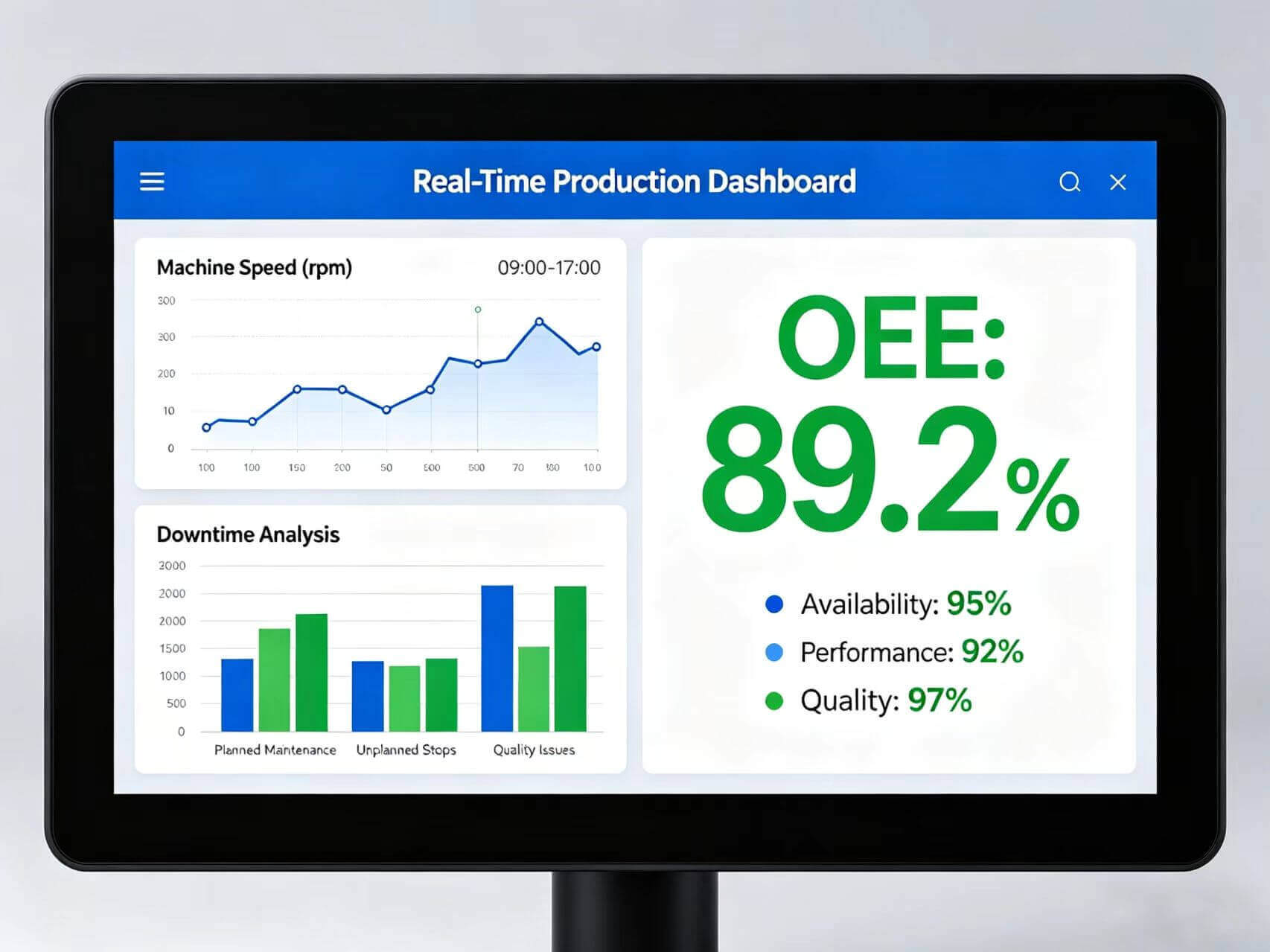
You can have the best operator in the world, but if the machine is poorly designed, you will still face inefficiencies. At [Your Brand Name], we design our blister packaging machines with the operator in mind:
Tool-less Changeover: Our molds can be changed in under 20 minutes, reducing labor intensity.
Intuitive HMI: A user-friendly touch screen that speaks multiple languages and provides clear error diagnostics.
Safety First: Integrated emergency stops and protective shields to ensure the operator is always safe.
The Blister Machine Operator is the bridge between your raw materials and your finished product. By investing in skilled personnel and providing them with high-quality, ergonomic machinery, you ensure a seamless production process that maximizes output and minimizes stress.
Are you looking to upgrade your packaging capabilities?
Whether you need a high-speed automatic blister machine or expert advice on how to optimize your current setup, our team is here to help. We provide comprehensive training and world-class equipment designed for the modern operator.
Q: How long does it take to train a Blister Machine Operator?
A: Basic operation can be learned in 1-2 weeks, but mastering complex troubleshooting and high-speed calibration usually takes 3-6 months of hands-on experience.
Q: What is the most common cause of blister machine downtime?
A: Most downtime is caused by improper material loading or neglected cleaning of the sealing and forming stations.