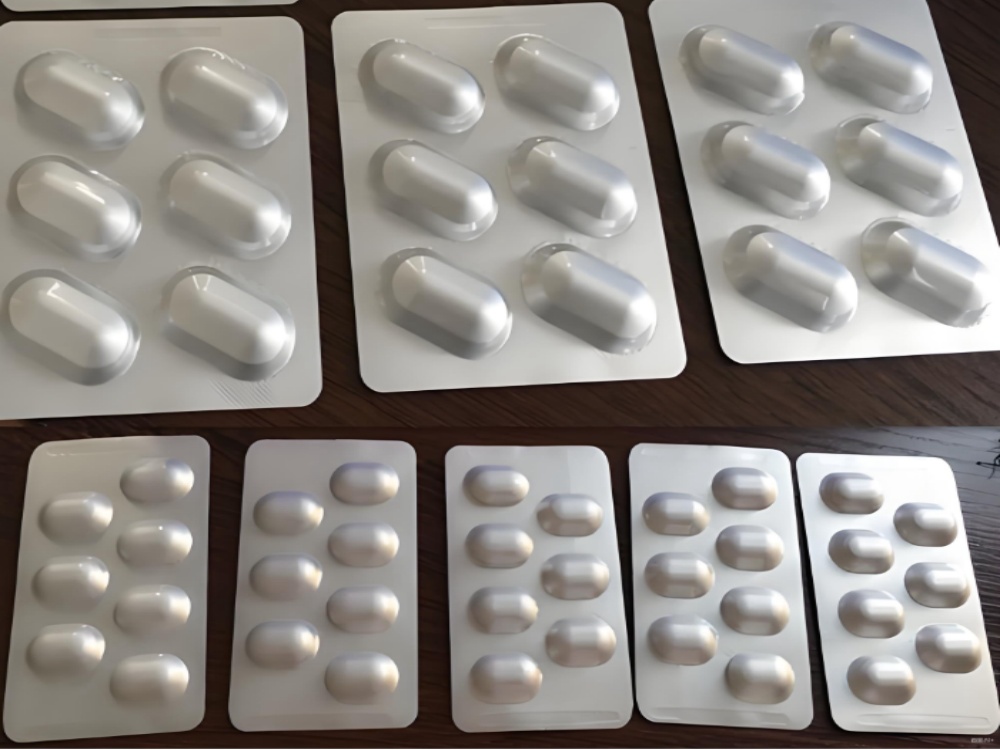
What Exactly is a Blister Pack Machine?
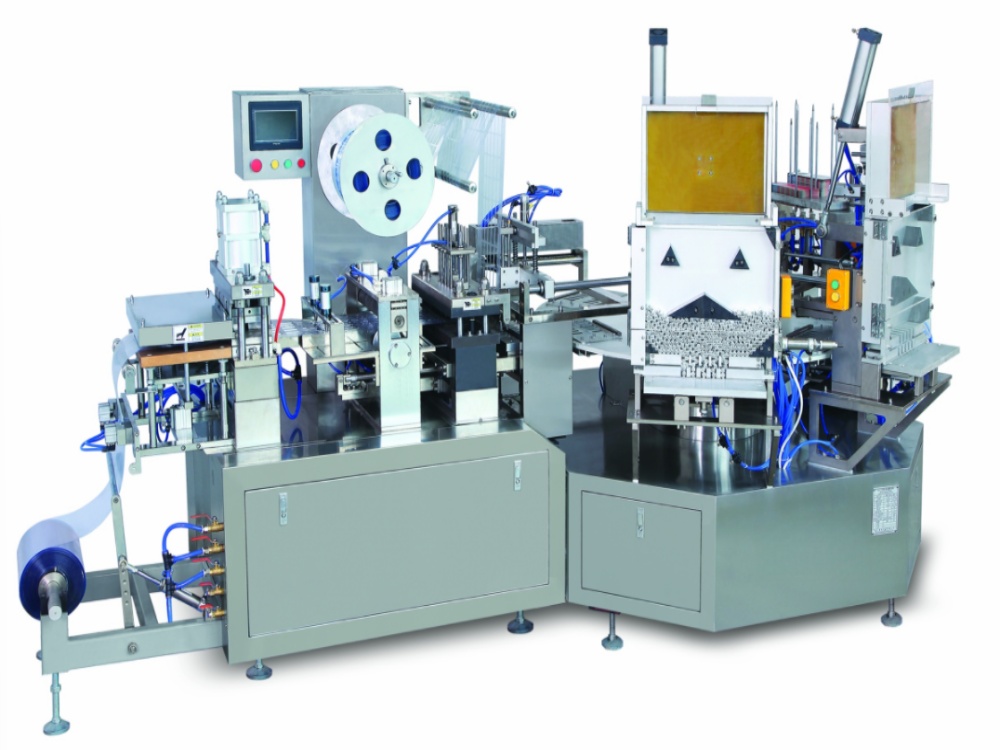
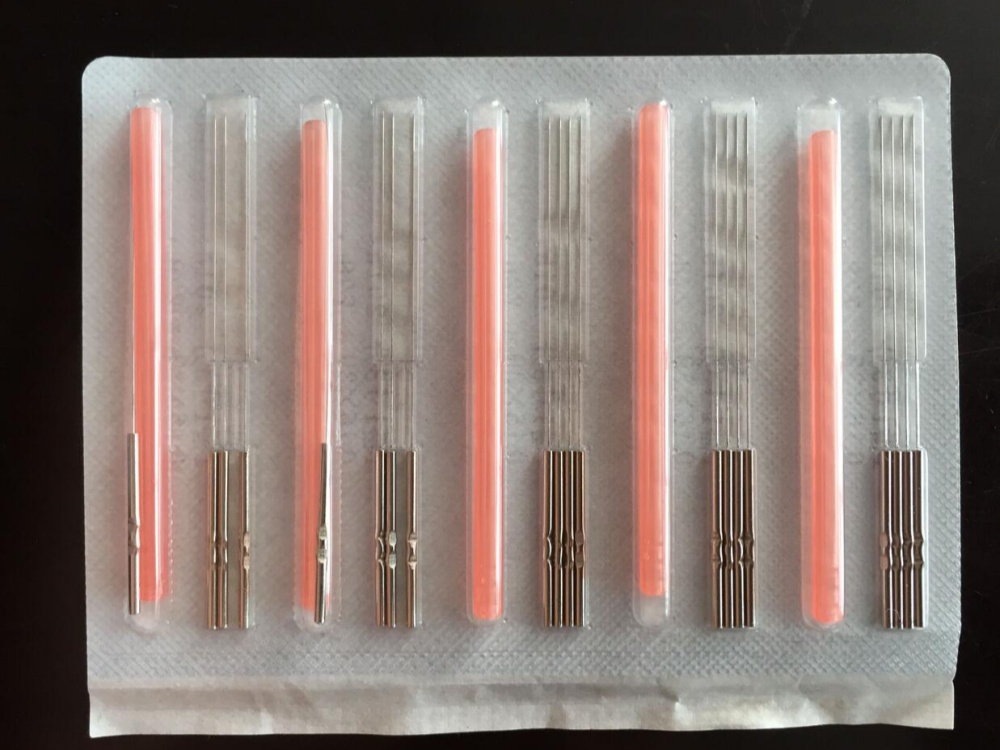
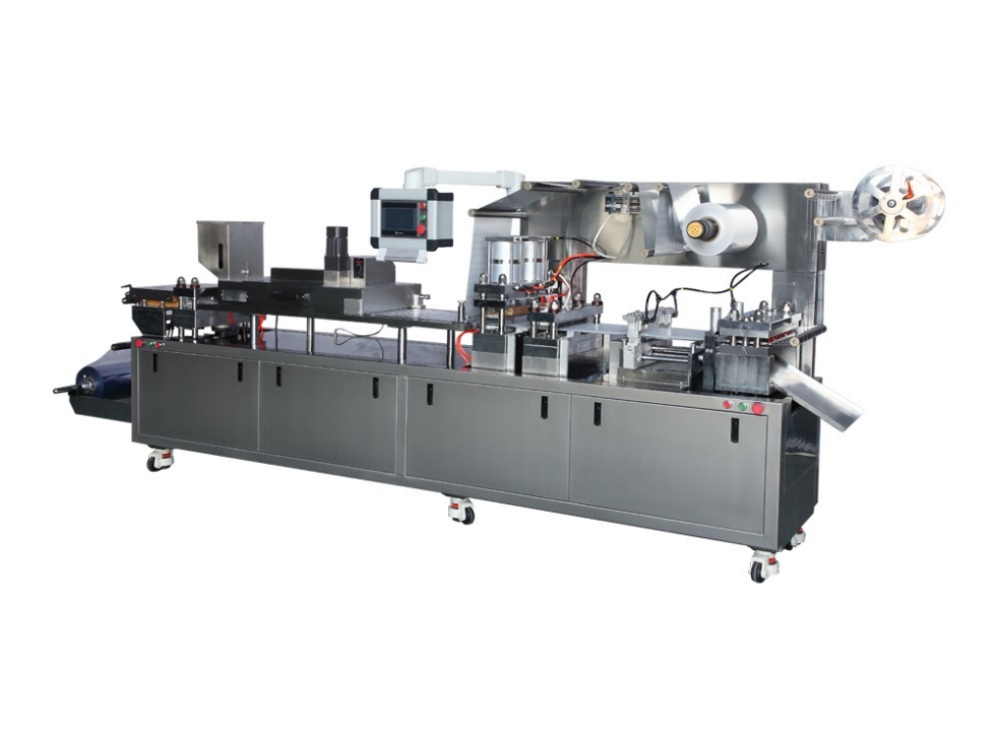
At its core, a blister pack machine is a “form-fill-seal” solution. It takes a flat sheet of plastic or foil, forms a “pocket” (the blister), fills it with your product (tablet, capsule, or syringe), and seals it with a backing material (lidding). It’s the gold standard for protecting products against moisture, light, and oxygen while providing a clear “tamper-evident” seal.
The “Big Three”: Comparing Machine Types
Not all machines are created equal. Depending on your product and output needs, you’ll likely choose between these three:
|
Machine Type
|
Best For… |
Pros |
Cons
|
| Roller-Type |
High-speed mass production |
Extremely fast; compact footprint. |
Shorter sealing time; not ideal for complex shapes. |
| Flat-Plate Type |
Large or deep blisters (syringes/vials) |
Uniform heating; handles thick materials well. |
Slower cycle speeds compared to roller types. |
| Roller-Plate (Hybrid) |
Versatile pharma needs |
Combines flat forming with roller sealing for speed and quality. |
Higher initial investment. |
Expert Tip: If you are running small batches of various products, look for a machine with “Quick Changeover” features. In 2026, downtime is the ultimate profit killer.
Materials & The “Green” Revolution
Modern consumers—and regulators—are no longer ignoring the environmental impact of packaging.
PVC vs. PET:
Traditionally, PVC has been the go-to because it’s cheap and easy to form. However, it’s a nightmare to recycle. We are seeing a massive shift toward PET and PP (Polypropylene). They are more eco-friendly but require more precise temperature control on the machine.
Alu-Alu Packaging:
For highly sensitive drugs, “Cold Form” Alu-Alu is the king of protection. It offers a 100% barrier against light and moisture.
Eco-Design:
When choosing a machine, ask: Does it minimize “web waste” (the scrap material left after punching)? A machine that saves 5% in material waste can save you tens of thousands of dollars annually.
Navigating the Regulatory Maze
In 2025, international regulations like the EU’s Falsified Medicines Directive (FMD) and the US FDA’s DSCSA require strict serialization and “Child-Resistant, Senior-Friendly” (CRSF) designs.
Your machine must be capable of:
Serialization: Printing and verifying unique 2D codes on every blister.
Data Integrity: Compliance with 21 CFR Part 11 (electronic records and signatures).
GMP Standards: Easy-to-clean surfaces (316L stainless steel) to prevent cross-contamination.
How to Choose: A Step-by-Step Process
Don’t just look at the price tag. Follow this flow:
Define Your Product: Is it a standard tablet, a fragile gel cap, or a medical device?
Determine Output: Do you need 50 blisters per minute or 500?
Select Material: Will you use PVC, Alu-Alu, or sustainable PET? (This dictates the heating/forming system).
Check Space Constraints: Measure your cleanroom. Some high-speed lines are 10+ meters long!
Evaluate Support: Does the manufacturer offer remote diagnostics and local spare parts?
Real-World Case Study: From Manual to Automated
The Client: A mid-sized herbal supplement brand in Europe.
The Problem: They were using semi-automatic machines. Labor costs were high, and 12% of their batches were rejected due to poor sealing.
The Solution: We implemented a Medium-Speed Rotary Blister Machine with an integrated vision inspection system.
The Results:
Rejection Rate: Dropped from 12% to 0.5%.
Labor: Reduced from 4 operators to 1.
ROI: The machine paid for itself in 14 months.
Common Questions (FAQ)
Q: Can one machine handle both PVC and Alu-Alu?
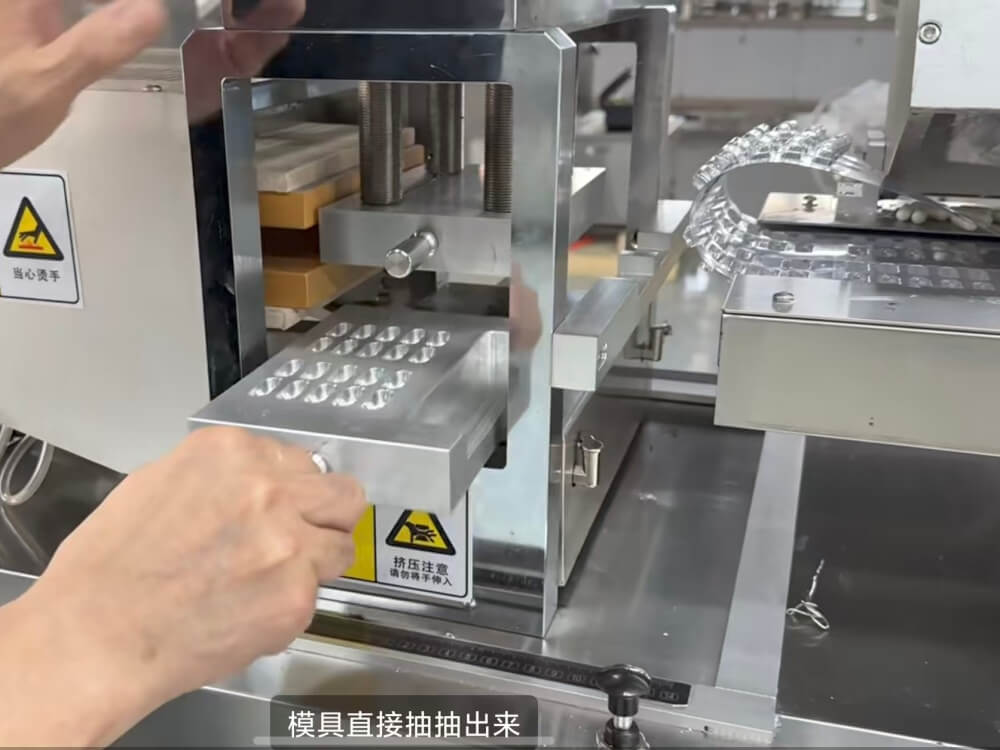
A: Many modern machines are “interchangeable,” but you will need different tooling sets (forming molds and sealing rollers). Always confirm the “changeover time” with the vendor.
Q: How often does a blister machine need maintenance?
A: Daily cleaning is a must. A deep mechanical check-up should happen every 2,000 operating hours. Look for machines with “Predictive Maintenance” sensors that alert you before a part fails.
Q: Is “Cheap” always expensive in the long run?
A: Usually, yes. A cheap machine often lacks the precision to handle modern, thinner eco-materials, leading to high waste and constant jams.
Conclusion
Choosing a blister pack machine is a balance between current needs and future-proofing. With the 2026focus on sustainability and data-driven manufacturing, your best bet is a machine that is flexible, digital-ready, and material-efficient.
Still not sure which model fits your facility? Reach out to our engineering team for a free layout consultation. Let’s build a production line that grows with you!