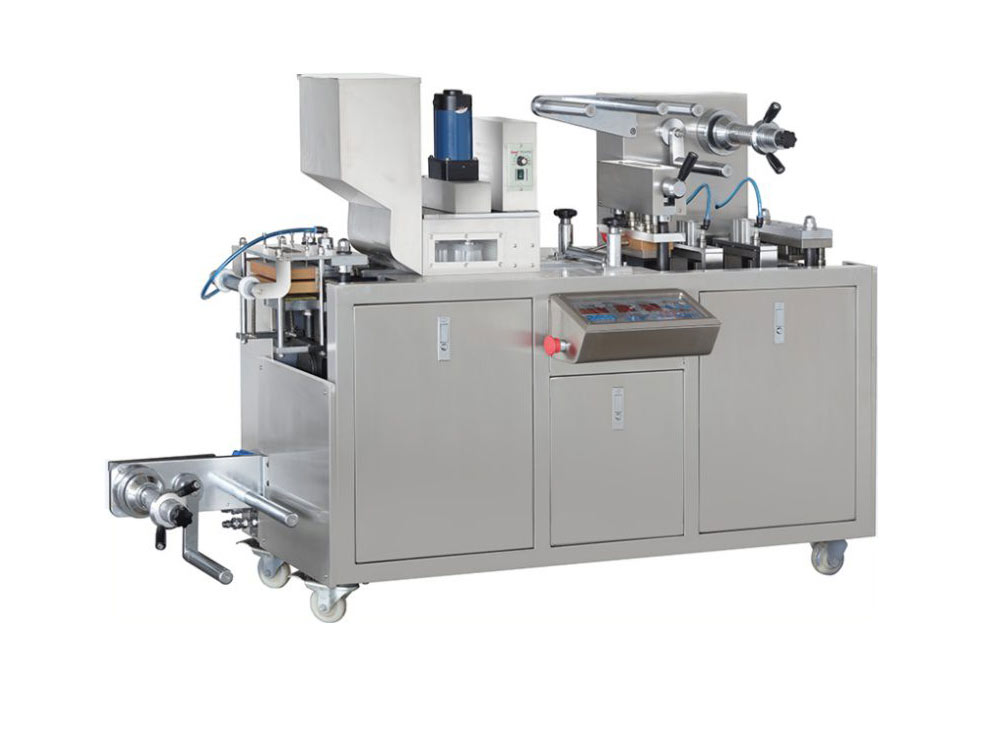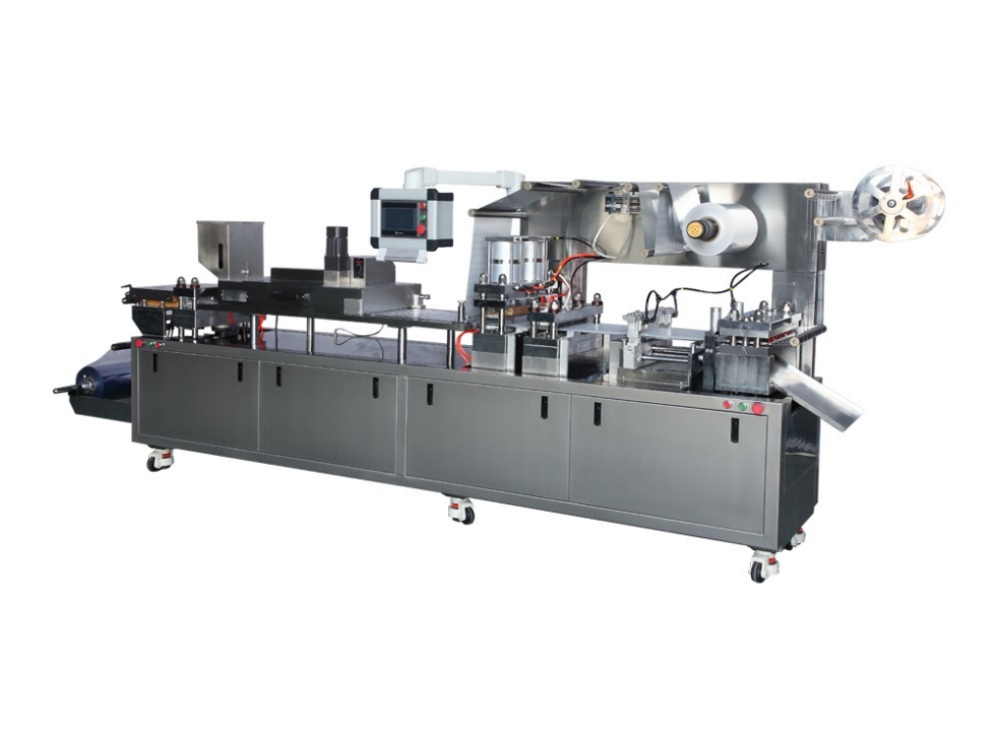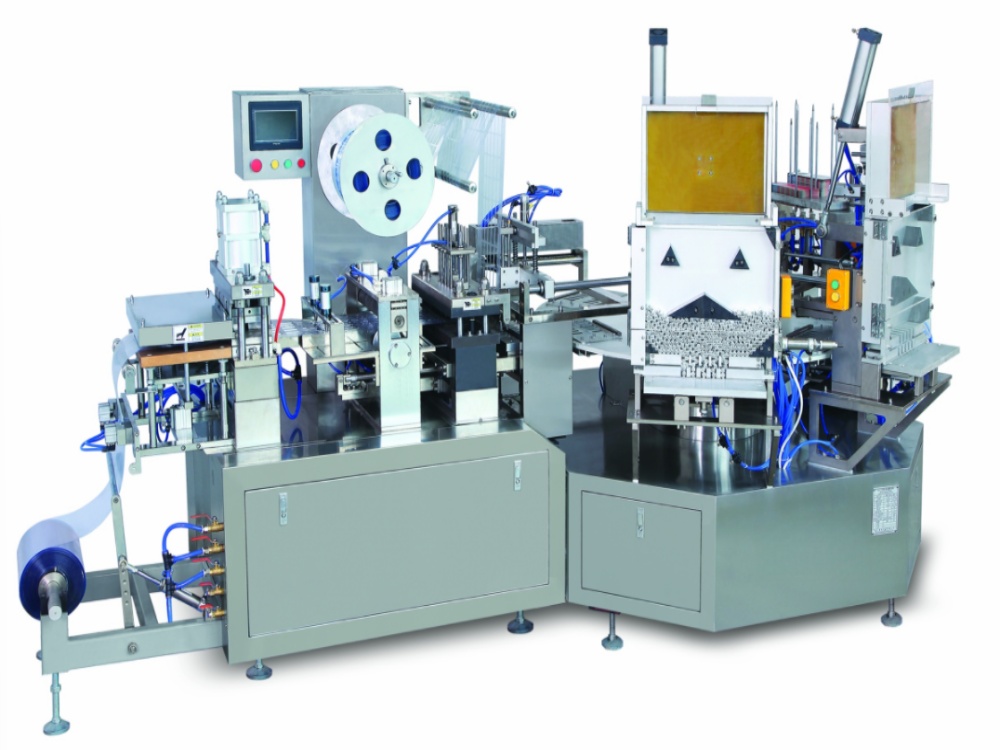

In the blister packaging industry, the sealing temperature of the blister machine is not just a simple parameter setting—it is the core factor that determines the success or failure of the entire packaging process. Whether you’re packaging small electronic components, food products, or medical devices, the right sealing temperature ensures that the blister film and base material bond tightly, keeping products safe from external contaminants, moisture, and damage during storage and transportation. From our 18+ years of on-site experience working with blister machine operators and manufacturers, we’ve found that 60% of packaging defects (such as incomplete sealing, film tearing, and product leakage) are directly caused by improper sealing temperature settings.
This guide is designed to address the real pain points you face in daily production, providing practical, step-by-step advice to help you master temperature control, reduce material waste, and boost overall productivity.
The primary role of sealing temperature in blister packaging is to create a strong, airtight bond between the blister film (e.g., PVC, PET, PP) and the sealing layer (often aluminum foil or composite film). For food packaging, this bond prevents oxygen and moisture from entering, extending the product’s shelf life and maintaining freshness—something we’ve seen firsthand with our clients in the snack and confectionery industry, where even a 5℃ deviation can lead to product spoilage and customer complaints. For electronic components, a tight seal protects sensitive parts from dust and static, reducing the risk of malfunction.
In medical packaging, the sealing temperature must meet strict industry standards to ensure sterility and prevent contamination. Simply put, the sealing temperature is the “glue” that holds the entire blister packaging together, and getting it right is non-negotiable for ensuring product quality and maintaining a strong brand reputation.
Setting the wrong sealing temperature can have costly consequences that ripple through your entire production line. If the temperature is too low, the film and base material won’t fuse properly, resulting in poor sealing—this means packages may leak, break open during shipping, or fail quality inspections. We once worked with a small electronics manufacturer that set their blister machine’s sealing temperature 15℃ below the optimal range; this led to a 30% rejection rate, wasting hundreds of meters of film and delaying a major order.
On the other hand, if the temperature is too high, the film can burn, deform, or melt, ruining the packaging’s appearance and even damaging the product inside (especially for heat-sensitive items like medications or plastic components). Over-sealing also increases energy consumption and shortens the lifespan of your blister machine’s heating elements. In either case, incorrect temperature settings lead to higher material costs, longer production times, and unhappy customers—all of which can be avoided with proper temperature control.
This guide is written for blister machine operators, production managers, and anyone involved in blister packaging—whether you’re a beginner learning the ropes or a seasoned professional looking to optimize your process. Unlike generic guides that only list basic parameters, we focus on real-world scenarios and actionable advice.
You’ll learn: the fundamentals of how sealing temperature works in different blister machines; the key factors that affect temperature settings (from film material to environmental conditions); step-by-step methods to test and calibrate your machine’s temperature; solutions to the most common temperature-related problems; advanced tips to save energy and extend your machine’s lifespan; and answers to the most frequently asked questions we hear from our clients. By the end of this guide, you’ll have the knowledge and confidence to set the optimal sealing temperature for any blister packaging task, reducing defects and improving your bottom line.
Before diving into temperature settings and troubleshooting, it’s important to understand the basics of sealing temperature for blister machines. Even experienced operators can benefit from a refresher, as misconceptions about how temperature works can lead to costly mistakes. Let’s break down the key concepts in simple, practical terms—no complicated jargon, just the information you need to get the job done.
The sealing temperature of the blister machine refers to the specific temperature at which the blister film (the transparent plastic shell that holds the product) and the sealing material (usually aluminum foil, paperboard, or composite film) are heated to form a strong, airtight bond. This temperature must be high enough to melt the surface layer of the film and sealing material, allowing them to fuse, but not so high that it damages the materials or the product inside.
Unlike other machine parameters (like sealing pressure or time), the sealing temperature is not a one-size-fits-all setting—it varies depending on several factors, which we’ll cover in detail later. For example, a PVC blister film might require a sealing temperature of 130-150℃, while a PET film (which has a higher melting point) might need 150-170℃. Understanding this definition is the first step to mastering temperature control.
To set the right sealing temperature, you need to understand how heat transfers and how films fuse during the sealing process. Here’s a simple breakdown of the science, tailored to real-world operation: When the blister machine’s heating plate (or sealing bar) is activated, it transfers heat to the blister film and sealing material.
The heat melts the surface of both materials, creating a molten layer that bonds together as it cools. This process is called “heat fusion,” and it’s critical to achieving a strong seal. In practice, this means that the heating plate must reach the correct temperature evenly—if one area of the plate is hotter than another, you’ll get uneven sealing (a common issue we’ll troubleshoot later).
For example, in a semi-automatic blister machine, the operator must wait for the heating plate to reach the set temperature before starting the sealing process; rushing this step (to save time) often leads to poor sealing. In automatic machines, the temperature is controlled by a digital thermostat, but operators still need to monitor it regularly to ensure consistency.
When working with blister machine sealing temperature, you’ll encounter three key terms that are critical to success: heat sealing range, minimum sealing temperature, and optimal temperature window. Let’s explain each in plain language, with examples you can relate to:
– Heat Sealing Range: This is the range of temperatures at which the blister film and sealing material can form a bond. For most PVC films, the heat sealing range is 120-160℃—any temperature below this range won’t melt the film, and any temperature above may damage it.
– Minimum Sealing Temperature: This is the lowest temperature in the heat sealing range that will form a basic seal. For PVC, this is typically around 120-130℃—while a seal may form at this temperature, it won’t be strong enough for most applications (e.g., shipping or long-term storage).
– Optimal Temperature Window: This is the narrow range of temperatures within the heat sealing range that creates the strongest, most consistent seal. For PVC blister film used in electronic packaging, the optimal window is often 135-145℃—this temperature balances strong bonding with minimal risk of film damage. Understanding these terms helps you avoid the common mistake of setting the temperature to the minimum (which leads to weak seals) or the maximum (which leads to over-sealing).
The sealing temperature of the blister machine is not set in stone—it’s influenced by several key factors that vary from one production run to the next. Ignoring these factors is one of the biggest mistakes operators make, leading to inconsistent sealing quality and wasted materials. From our experience, the most important factors to consider are blister film material, machine type, sealing time and pressure, environmental conditions, and product characteristics. Let’s break down each factor with practical examples, so you can adjust your temperature settings accordingly.
The type of blister film you use is the single most important factor affecting the sealing temperature of the blister machine. Each material has a different melting point and heat resistance, which directly impacts how much heat is needed to form a strong seal. Here’s a breakdown of the most common materials and their temperature requirements, based on our on-site testing:
– PVC (Polyvinyl Chloride): The most common blister film, PVC has a low melting point (around 100-120℃) and a heat sealing range of 120-160℃. Its optimal temperature window is 135-145℃. PVC is easy to seal and cost-effective, making it ideal for packaging electronics, toys, and small consumer goods.
– PET (Polyethylene Terephthalate): PET has a higher melting point (around 250℃) than PVC, so it requires a higher sealing temperature (150-180℃, optimal 160-170℃). PET is more durable and resistant to moisture, making it suitable for food, medical devices, and high-end products.
– PP (Polypropylene): PP has a melting point of around 167℃, with a heat sealing range of 140-170℃ (optimal 150-160℃). It’s lightweight and chemical-resistant, often used for packaging snacks and personal care products. – Aluminum Foil: When sealing aluminum foil to blister film, the temperature needs to be higher (160-190℃) because foil conducts heat quickly and requires more heat to bond with plastic.
Aluminum foil is commonly used for medical and food packaging, where sterility and barrier protection are critical. The key takeaway: Always check the film manufacturer’s recommendations for sealing temperature—using the wrong temperature for your material will almost always lead to defects.
The type of blister machine you’re using also affects how you set and control the sealing temperature. Manual, semi-automatic, and automatic machines have different temperature control systems, and understanding these differences is key to achieving consistent results:
– Manual Blister Machines: These are the simplest machines, often used for small-scale production. They typically have a basic analog thermostat, which is less accurate than digital controls. Operators must manually adjust the temperature and monitor it with a thermometer. The sealing temperature can fluctuate more with manual machines, so we recommend checking the temperature every 30 minutes and adjusting as needed. For example, a manual machine might require a slightly higher temperature (5-10℃) than an automatic machine to compensate for heat loss.
– Semi-Automatic Blister Machines: These machines have digital thermostats for better temperature control, but still require operator input to load materials and start the sealing process. The heating plate heats up quickly and maintains a more consistent temperature than manual machines. The optimal sealing temperature for semi-automatic machines is usually the same as the film’s recommended range, but operators should still monitor for fluctuations (e.g., if the machine is used continuously for hours).
– Automatic Blister Machines: These machines are fully automated, with advanced digital temperature control systems that maintain a precise temperature throughout production. Many automatic machines have built-in temperature sensors that alert operators if the temperature drifts outside the set range. The sealing temperature is often pre-programmed based on the film material, but operators should still verify the temperature regularly (we recommend daily calibration). Automatic machines are ideal for large-scale production, as they reduce human error and ensure consistent sealing quality. No matter what type of machine you use, the key is to understand its temperature control capabilities and adjust your settings accordingly.
Sealing temperature doesn’t work in isolation—it’s closely correlated with sealing time and pressure. These three parameters (temperature, time, and pressure) work together to create a perfect seal, and adjusting one often requires adjusting the others. Here’s how they interact in real-world operation:
– Temperature and Time: If you lower the sealing temperature, you may need to increase the sealing time to ensure the film and sealing material have enough time to fuse. For example, if you’re using PVC film and lower the temperature from 140℃ to 130℃, you might need to increase the sealing time from 2 seconds to 3 seconds. Conversely, if you increase the temperature, you can shorten the sealing time (but be careful not to over-seal).
– Temperature and Pressure: Higher sealing pressure can help compensate for slightly lower temperatures, as it presses the film and sealing material together, improving heat transfer. For example, if your machine’s heating plate is slightly cooler than optimal, increasing the pressure by 10% can help form a strong seal. However, too much pressure can damage the film or product, so it’s important to find a balance.
Our practical tip: When testing a new film or product, start with the manufacturer’s recommended temperature, time, and pressure settings. Then, make small adjustments (e.g., ±5℃ temperature, ±0.5 seconds, ±5% pressure) and test the seal strength until you achieve the best results. This trial-and-error process is the most effective way to find the perfect combination for your specific application.
Many operators overlook environmental factors, but room temperature and humidity can have a significant impact on the sealing temperature of the blister machine and the quality of the seal. Here’s how to adjust for these factors:
– Room Temperature: If your production area is too cold (below 18℃), the blister film and sealing material will take longer to heat up, which can lead to poor sealing. In this case, you may need to increase the sealing temperature by 5-10℃ or extend the sealing time by 0.5-1 second. Conversely, if the room is too hot (above 30℃), the film may melt too quickly, leading to over-sealing. In hot environments, lower the temperature by 5-10℃ or shorten the sealing time.
– Humidity: High humidity (above 60%) can affect the surface of the blister film, making it harder to form a strong seal. Moisture on the film’s surface can prevent proper heat fusion, leading to weak or uneven seals. To fix this, you can increase the sealing temperature by 5-10℃, or use a dehumidifier in the production area. Low humidity (below 30%) can cause the film to become brittle, so you may need to slightly lower the temperature to avoid tearing. We’ve seen this firsthand with a client in a humid coastal area—their sealing defects increased by 25% during the rainy season until they started using a dehumidifier and adjusted their temperature settings by 8℃. Small adjustments for environmental factors can make a big difference in sealing quality.
The characteristics of the product you’re packaging also influence the sealing temperature of the blister machine. Products vary in size, thickness, and heat sensitivity, and each requires a slightly different approach to temperature control:
– Product Size: Larger products require a larger sealing area, which means the heating plate needs to maintain a consistent temperature across a larger surface. For large products, you may need to increase the temperature by 5-10℃ or extend the sealing time to ensure the entire seal is strong. Smaller products, on the other hand, can often use the standard temperature setting.
– Product Thickness: Thicker products (e.g., thick plastic components) act as insulators, blocking heat from the sealing area. This means you may need to increase the temperature by 10-15℃ to ensure the film and sealing material fuse properly. Thinner products (e.g., small electronic chips) are more heat-sensitive, so you may need to lower the temperature by 5-10℃ to avoid damaging the product.
– Heat Sensitivity: Products like medications, chocolates, or sensitive electronic components can be damaged by high heat. For these products, use the lower end of the film’s optimal temperature window and shorten the sealing time. For example, when packaging chocolate, we recommend using PVC film at 130-135℃ (instead of the standard 135-145℃) to prevent melting. The key is to consider the product’s needs alongside the film’s requirements—always test the seal with a sample product before starting a full production run.
Determining the optimal sealing temperature for your blister machine isn’t guesswork—it’s a systematic process that combines the manufacturer’s recommendations, trial and error, and regular calibration. From our experience, following these steps will help you find the perfect temperature for any application, reducing defects and improving consistency. We’ve used this process with hundreds of clients, and it’s proven to be effective for both small-scale and large-scale production.
Follow this step-by-step process to test and calibrate the sealing temperature of your blister machine, with tips to avoid common mistakes:
Step 1: Gather Your Materials – You’ll need the blister film and sealing material you’ll be using, a sample product, a digital thermometer (preferably a contactless infrared thermometer for accuracy), and a seal strength tester (optional but recommended).
Step 2: Check the Manufacturer’s Recommendations – Start with the film manufacturer’s suggested sealing temperature range. This is your baseline—don’t deviate too far from this range unless you encounter issues.
Step 3: Preheat the Machine – Turn on the blister machine and let it preheat to the baseline temperature. Wait at least 10-15 minutes to ensure the heating plate reaches a consistent temperature (a common mistake is starting too soon, leading to uneven heating).
Step 4: Run a Test Seal – Load a sample product into the blister film, place it on the sealing plate, and run a test seal using the baseline temperature, recommended time, and pressure.
Step 5: Inspect the Seal – Check the seal for uniformity, strength, and damage. A good seal should be smooth, even, and difficult to peel apart. If the seal is weak (peels easily), increase the temperature by 5℃. If the film is burned or deformed, decrease the temperature by 5℃.
Step 6: Repeat the Test – Adjust the temperature in 5℃ increments, running a test seal each time, until you find the temperature that produces the strongest, most consistent seal.
Step 7: Calibrate the Thermostat – Once you’ve found the optimal temperature, use your digital thermometer to verify that the machine’s thermostat is accurate. If the thermostat reads higher or lower than the actual temperature, adjust it accordingly.
Step 8: Document the Settings – Write down the optimal temperature, time, and pressure for this film and product combination. This will save you time in future production runs and ensure consistency. Common Mistake to Avoid: Rushing the preheating process or making large temperature adjustments (more than 10℃ at a time). Small, incremental adjustments are key to finding the optimal temperature.
To save you time, we’ve compiled temperature range recommendations for the most common blister materials, based on our on-site testing and industry experience. These values are general guidelines—always check the film manufacturer’s recommendations for your specific product:
– PVC (Polyvinyl Chloride): – Heat Sealing Range: 120-160℃ – Minimum Sealing Temperature: 120-130℃ – Optimal Temperature Window: 135-145℃ – Best For: Electronics, toys, consumer goods, non-food items.
– PET (Polyethylene Terephthalate): – Heat Sealing Range: 150-180℃ – Minimum Sealing Temperature: 150-160℃ – Optimal Temperature Window: 160-170℃ – Best For: Food, medical devices, high-end products, moisture-sensitive items.
– PP (Polypropylene): – Heat Sealing Range: 140-170℃ – Minimum Sealing Temperature: 140-150℃ – Optimal Temperature Window: 150-160℃ – Best For: Snacks, personal care products, lightweight items.
– Aluminum Foil (Sealing to Plastic Film): – Heat Sealing Range: 160-190℃ – Minimum Sealing Temperature: 160-170℃ – Optimal Temperature Window: 170-180℃ – Best For: Medical packaging, food packaging, sterile products.
Note: If you’re using a composite film (e.g., PVC-PET blend), use the temperature range for the material with the higher melting point (e.g., PET) as your baseline.
Having the right tools to monitor and adjust the sealing temperature of the blister machine is critical to maintaining consistent quality. Here are the most common tools we recommend, along with how to use them: – Digital Infrared Thermometer: This is the most essential tool for monitoring sealing temperature. It’s non-contact, so you can measure the temperature of the heating plate without touching it (avoiding burns and damage to the plate).
To use it: Point the thermometer at the center of the heating plate, hold the trigger, and read the temperature. Check the temperature every 30-60 minutes during production to ensure it stays within the optimal window. – Digital Thermostat: Most modern blister machines (semi-automatic and automatic) come with built-in digital thermostats. These allow you to set a precise temperature and monitor it in real time. To use it: Set the desired temperature, wait for the machine to preheat, and verify with an infrared thermometer to ensure accuracy.
If the temperature drifts, adjust the thermostat in small increments. – Temperature Controller (External): For older machines or machines with inaccurate built-in thermostats, an external temperature controller is a great investment. It connects to the machine’s heating element and provides more precise temperature control. Follow the manufacturer’s instructions to install and calibrate it. – Seal Strength Tester: While not directly used to monitor temperature, a seal strength tester helps you verify if your temperature settings are correct. It measures the force required to peel apart the seal, giving you a quantitative measure of seal quality.
Use it to test sample seals after adjusting temperature settings—aim for a seal strength that meets your industry’s standards. Our Tip: Invest in a high-quality infrared thermometer (with a temperature range of 0-300℃) for the most accurate readings. Cheap thermometers can be inaccurate, leading to incorrect temperature adjustments.
Even with the right tools, temperature fluctuations can occur during long production runs—this is one of the most common causes of inconsistent sealing quality. Here are our top tips to maintain a consistent sealing temperature:
1. Preheat the Machine Properly: Always let the machine preheat for 10-15 minutes (or longer for larger machines) before starting production. This ensures the heating plate reaches a uniform temperature across its entire surface.
2. Avoid Overloading the Machine: Overloading the machine (e.g., sealing too many blisters at once) can cause the heating plate to lose heat quickly, leading to temperature drops. Follow the machine’s recommended capacity.
3. Check the Heating Elements Regularly: Over time, heating elements can wear out or become dirty, leading to uneven heating. Inspect the heating plate weekly for dirt, damage, or wear, and clean or replace elements as needed.
4. Monitor Room Temperature and Humidity: As we discussed earlier, environmental factors can cause temperature fluctuations. Use a room thermometer and hygrometer to monitor conditions, and adjust the machine’s temperature accordingly.
5. Calibrate the Thermostat Daily: Start each production day by calibrating the machine’s thermostat with an infrared thermometer. This ensures the thermostat is accurate and prevents drift.
6. Take Breaks for Long Runs: If you’re running the machine for 8+ hours, take a 10-15 minute break every 2-3 hours to allow the heating plate to recover and maintain temperature consistency. We’ve found that following these tips reduces temperature fluctuations by 70% in most production environments, leading to more consistent sealing quality and fewer defects.
Even with careful temperature control, problems can still occur. From our experience, the most common temperature-related issues are insufficient sealing, over-sealing, uneven sealing, and temperature drift. The good news is that each of these problems has a simple, practical solution. Below, we’ll break down each problem, explain its causes (specific to temperature), and give step-by-step solutions you can implement immediately.
Insufficient sealing (also called “weak sealing”) is when the blister film and sealing material don’t bond tightly, leading to leaks, peeling, or breakage. The most common cause is a sealing temperature that’s too low, but other factors (like low pressure or short sealing time) can also contribute. Causes (Temperature-Related):
– The sealing temperature is below the film’s minimum sealing temperature.
– The machine didn’t preheat properly, leading to uneven temperature.
– Environmental factors (cold room, high humidity) caused the film to cool too quickly. Practical Solutions:
1. Increase the Sealing Temperature: Start by increasing the temperature by 5℃. Run a test seal and check the strength. If it’s still weak, increase by another 5℃ (don’t exceed the film’s maximum temperature).
2. Extend Preheating Time: If the machine didn’t preheat long enough, turn it off, let it cool, then preheat for 15-20 minutes before restarting.
3. Adjust for Environmental Factors: If the room is cold, increase the temperature by 5-10℃ or use a space heater to warm the production area. If humidity is high, use a dehumidifier.
4. Check the Heating Plate: Ensure the heating plate is clean and free of debris—dirt can block heat transfer. If the plate is damaged (e.g., uneven surface), replace it. Example: A client was experiencing insufficient sealing with PVC film at 130℃. We recommended increasing the temperature to 135℃ and extending preheating time to 15 minutes—this eliminated the problem.
Over-sealing occurs when the sealing temperature is too high, causing the blister film to burn, melt, or deform. This not only ruins the packaging’s appearance but can also damage the product inside and shorten the machine’s lifespan. Harm of Over-Sealing:
– Film burning or discoloration, making the packaging unappealing to customers.
– Film deformation (e.g., warping, shrinking), which can damage the product or make it difficult to open.
– Damage to the machine’s heating plate and sealing bar, leading to costly repairs. Causes (Temperature-Related):
– The sealing temperature is above the film’s maximum heat sealing range.
– The thermostat is inaccurate, reading lower than the actual temperature.
– The machine is overheating from continuous use. Practical Solutions:
1. Lower the Sealing Temperature: Decrease the temperature by 5-10℃, depending on how severe the over-sealing is. Run a test seal to check for improvement.
2. Calibrate the Thermostat: Use an infrared thermometer to verify the actual temperature of the heating plate. If the thermostat is inaccurate, adjust it to match the actual temperature.
3. Reduce Sealing Time: If lowering the temperature isn’t enough, shorten the sealing time by 0.5-1 second—this reduces the amount of heat the film is exposed to.
4. Take Breaks for Continuous Use: If the machine has been running for hours, turn it off for 10 minutes to cool down. This prevents overheating and temperature drift. Example: A food manufacturer was over-sealing PET film at 180℃ (above the maximum range of 180℃). Lowering the temperature to 170℃ and shortening the sealing time by 0.5 seconds eliminated burning and deformation.
Uneven sealing is when some parts of the seal are strong, while others are weak or missing. This is often caused by temperature fluctuations across the heating plate, leading to uneven heat transfer. Causes (Temperature-Related):
– The heating plate has hot spots (areas that are hotter than others).
– The thermometer is malfunctioning, giving inaccurate temperature readings. – The heating elements are worn out or damaged, leading to uneven heating. Practical Solutions:
1. Check for Hot Spots: Use an infrared thermometer to measure the temperature across the entire heating plate. If there are hot spots (differences of more than 5℃), clean the plate (dirt can cause hot spots) or replace the heating elements.
2. Calibrate or Replace the Thermometer: If the thermometer is malfunctioning, calibrate it using a reference thermometer. If it can’t be calibrated, replace it with a high-quality digital thermometer.
3. Adjust Sealing Pressure: Uneven pressure can also cause uneven sealing—ensure the pressure is consistent across the entire sealing plate. If the pressure is uneven, adjust the machine’s pressure settings or replace the sealing pad.
4. Preheat the Plate Evenly: Let the machine preheat for a longer period (15-20 minutes) to ensure the entire plate reaches a uniform temperature. Example: A client was experiencing uneven sealing with PP film. Using an infrared thermometer, we found that one side of the heating plate was 10℃ hotter than the other. Cleaning the plate and replacing a worn heating element fixed the issue.
Temperature drift is when the machine’s sealing temperature gradually changes over time (e.g., starting at 140℃ and dropping to 130℃ after 2 hours of use). This leads to inconsistent sealing quality and is a common issue with older machines or machines used for long production runs. Causes (Temperature-Related):
– The thermostat is aging and losing accuracy.
– The heating elements are wearing out, leading to reduced heat output.
– The machine is overheating, causing the thermostat to compensate by lowering the temperature. Practical Solutions:
1. Calibrate the Thermostat Regularly: Calibrate the thermostat daily (at the start of production) using an infrared thermometer. If the thermostat is inaccurate, adjust it to match the actual temperature.
2. Replace Worn Heating Elements: Inspect the heating elements weekly for wear or damage. If they’re worn, replace them—this ensures consistent heat output.
3. Monitor Temperature During Production: Check the temperature every 30-60 minutes using an infrared thermometer. If you notice drift, adjust the thermostat in small increments (2-3℃) to bring it back to the optimal range.
4. Maintain the Machine: Regularly clean the heating plate, check the wiring, and lubricate moving parts. A well-maintained machine is less likely to experience temperature drift. Preventive Measures: – Schedule monthly maintenance checks to inspect the thermostat, heating elements, and other components. – Replace the thermostat every 1-2 years (or as recommended by the machine manufacturer) to ensure accuracy. – Use an external temperature controller for older machines to improve temperature stability.
Once you’ve mastered the basics of sealing temperature control, you can take your process to the next level with these advanced tips. These tips are based on our years of experience working with blister machine manufacturers and operators, and they’re designed to help you save energy, extend your machine’s lifespan, adapt to new materials, and train your team more effectively. Implementing these tips will not only improve sealing quality but also reduce costs and boost overall productivity.
Blister machines can be energy-intensive, but optimizing the sealing temperature is a simple way to reduce energy consumption without sacrificing quality. Here are our top energy-saving strategies:
1. Use the Lowest Effective Temperature: Instead of setting the temperature to the middle of the optimal window, use the lowest temperature that still produces a strong seal. For example, if the optimal window for PVC is 135-145℃, try 135℃ first—this reduces energy use while maintaining seal quality.
2. Adjust Temperature Based on Production Volume: If you’re running a small batch, you can lower the temperature by 5-10℃ and extend the sealing time slightly. This uses less energy than running the machine at full temperature for a small batch.
3. Turn Off the Machine When Not in Use: If you have a break in production (e.g., lunch, shift change), turn off the machine or put it in standby mode. This prevents unnecessary energy use—we’ve seen clients reduce energy consumption by 15-20% just by doing this.
4. Insulate the Heating Plate: Adding insulation to the heating plate reduces heat loss, meaning the machine doesn’t have to work as hard to maintain the set temperature. This is a simple, low-cost upgrade that pays off in the long run.
5. Use Energy-Efficient Films: Some films (e.g., thin-gauge PVC or recycled films) require lower sealing temperatures than thicker films. Using these films not only saves energy but also reduces material costs. Example: A large packaging company implemented these strategies and reduced its monthly energy bill by 22%—all while maintaining a 99% seal success rate.
Proper temperature control isn’t just good for sealing quality—it also extends the lifespan of your blister machine. Improper temperature settings can damage key components, leading to costly repairs and downtime. Here’s how to avoid this: How Improper Temperature Damages Equipment:
– High Temperatures: Overheating can damage the heating plate, sealing bar, and thermostat. It can also melt or warp plastic components, leading to mechanical failures.
– Low Temperatures: Running the machine at too low a temperature for extended periods can cause the heating elements to work harder than necessary, leading to premature wear.
Tips to Extend Machine Lifespan:
1. Avoid Over-Sealing: As we discussed earlier, over-sealing (high temperature) is one of the biggest causes of equipment damage. Always stay within the film’s heat sealing range.
2. Calibrate Regularly: A calibrated thermostat ensures the machine isn’t working harder than needed. Calibrate daily to prevent temperature drift and unnecessary wear on heating elements.
3. Clean the Heating Plate Regularly: Dirt, debris, and melted film can build up on the heating plate, causing it to overheat and wear out faster. Clean the plate daily with a soft cloth and mild cleaner.
4. Replace Heating Elements Promptly: Worn heating elements require more energy to produce heat and can cause temperature fluctuations. Replace them as soon as you notice signs of wear (e.g., uneven heating, reduced seal quality).
5. Follow the Manufacturer’s Maintenance Schedule: Most blister machine manufacturers recommend regular maintenance (e.g., oiling moving parts, checking wiring) to extend lifespan. Follow this schedule closely—we’ve seen machines last 5-10 years longer with proper maintenance.
As the blister packaging industry evolves, new materials (e.g., eco-friendly films, composite films) and innovative packaging designs (e.g., irregular blisters, multi-compartment blisters) are becoming more common. Adapting your sealing temperature to these changes is key to staying competitive.
Here’s our practical experience with adjusting temperature for new materials and designs: – Eco-Friendly Films (e.g., PLA, Compostable Films): These films often have different melting points than traditional films. For example, PLA (polylactic acid) has a heat sealing range of 140-160℃ (optimal 150-155℃), which is similar to PP but requires more precise temperature control.
We recommend testing small batches first to find the optimal temperature. – Composite Films (e.g., PVC-PET, PET-Aluminum): These films combine two or more materials, so the sealing temperature should be based on the material with the higher melting point. For example, a PVC-PET composite film requires a temperature range of 150-170℃ (based on PET).
– Innovative Packaging Designs (e.g., irregular Blisters, Multi-Compartment Blisters): These designs have irregular sealing areas, which can lead to uneven heating. For irregular blisters, increase the temperature by 5-10℃ and extend the sealing time to ensure all areas are sealed properly.
For multi-compartment blisters, use a machine with multiple heating zones to adjust the temperature for each compartment. Our Tip: When testing a new material or design, work closely with the film manufacturer—they can provide specific temperature recommendations based on their product’s properties. This saves time and reduces trial-and-error.
Even the best temperature settings won’t work if your team doesn’t know how to manage them. Training your operators to understand and control the sealing temperature of the blister machine is critical to maintaining consistent quality. Here are simple, easy-to-understand training points we use with our clients:
1. Basics of Sealing Temperature: Teach operators the definition of sealing temperature, how it works, and why it’s important. Use simple examples (e.g., “Too low = weak seal, too high = burned film”) to make it easy to remember.
2. Film Material Basics: Train operators to identify different film materials (PVC, PET, PP) and their recommended temperature ranges. Provide a cheat sheet with temperature ranges for quick reference.
3. Step-by-Step Testing Process: Teach operators how to test and calibrate the temperature using the step-by-step process we outlined earlier. Have them practice with sample films until they’re comfortable.
4. Troubleshooting Common Problems: Create a troubleshooting guide with simple, step-by-step solutions for insufficient sealing, over-sealing, uneven sealing, and temperature drift. Train operators to recognize the signs of each problem and how to fix them.
5. Daily Maintenance: Teach operators to check the temperature daily, clean the heating plate, and calibrate the thermostat. Make this part of their daily routine.
6. Safety Tips: Remind operators to never touch the heating plate (it’s hot!) and to turn off the machine before performing maintenance.
Our Tip: Conduct hands-on training sessions instead of just classroom lectures. Let operators practice adjusting temperature settings, testing seals, and troubleshooting problems—this helps them retain the information better. We also recommend creating a quick-reference guide that operators can keep at their workstations.
Over the years, we’ve been asked hundreds of questions about the sealing temperature of the blister machine. Below are the most common ones, with practical, easy-to-understand answers based on our on-site experience. These answers are tailored to real-world production scenarios, so you can apply them immediately to your operation.
The standard sealing temperature for PVC blister film depends on the product you’re packaging, but here are our recommendations based on common applications:
– Small Electronic Components (e.g., chips, connectors): The optimal temperature window is 135-145℃. Electronic components are not heat-sensitive (in most cases), so you can use the middle of the PVC range to ensure a strong seal that protects against dust and static.
– Food Products (e.g., candies, snacks): The optimal temperature window is 130-140℃. Food products are often heat-sensitive, so using the lower end of the range prevents melting or spoilage. If the food is particularly sensitive (e.g., chocolate), you can lower the temperature to 125-135℃ and extend the sealing time by 0.5 seconds. Always check the film manufacturer’s recommendations, as some PVC films (e.g., thin-gauge or food-grade) may have slightly different temperature requirements.
The frequency of calibration depends on your daily production volume and how often you use the machine. Here’s our recommendation: – High Volume (1000+ blisters per day): Calibrate the temperature daily (at the start of each shift). High-volume production puts more stress on the machine, leading to faster temperature drift. – Medium Volume (300-1000 blisters per day): Calibrate the temperature every 2-3 days. This ensures accuracy without adding unnecessary work. – Low Volume (less than 300 bl
We are the best manufacturer of Blister Packing and Forming Machine. We can provide professional solutions for you. Please feel free to contact us for a quick quote now!
You can get a price of this model or send us any question to get any information you would like to know, we will reply to you soonest.