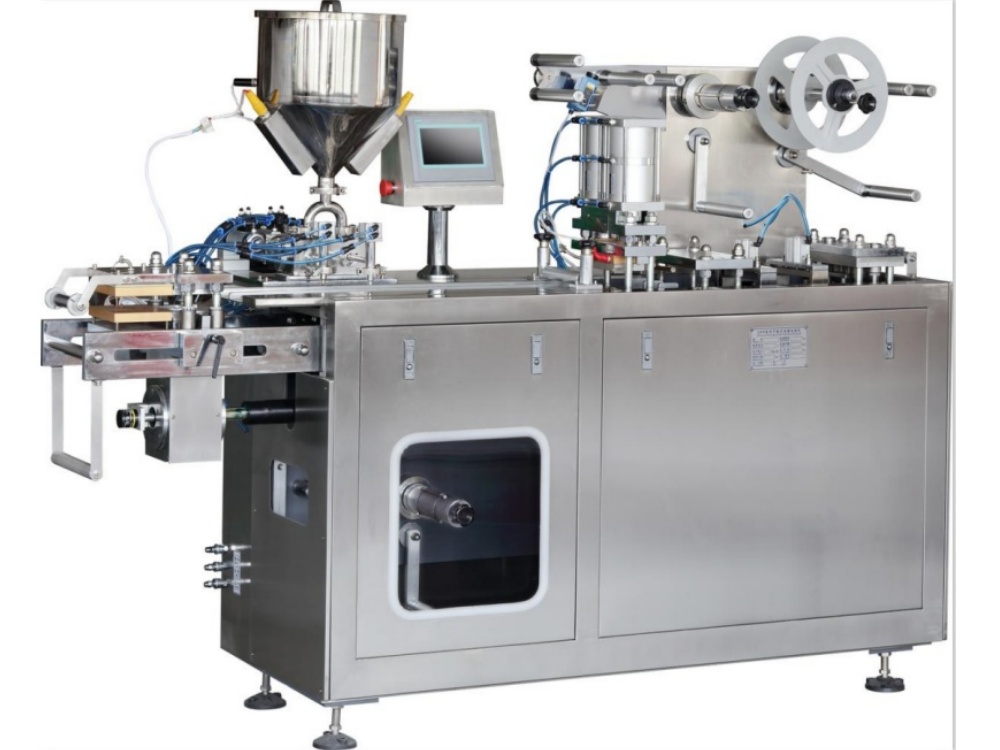
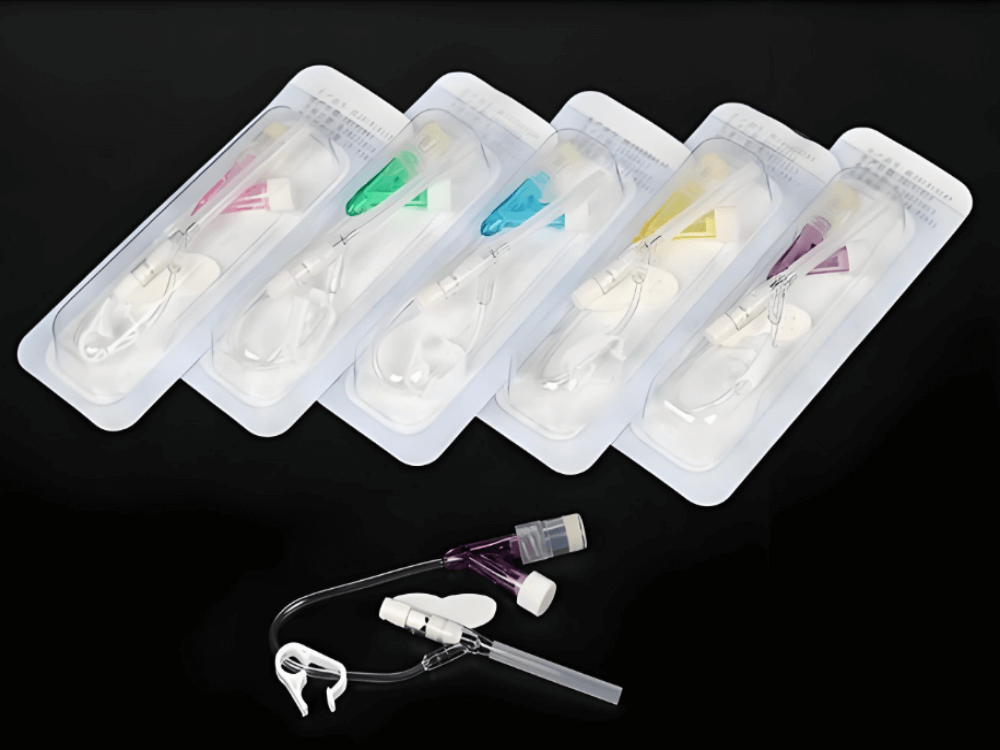
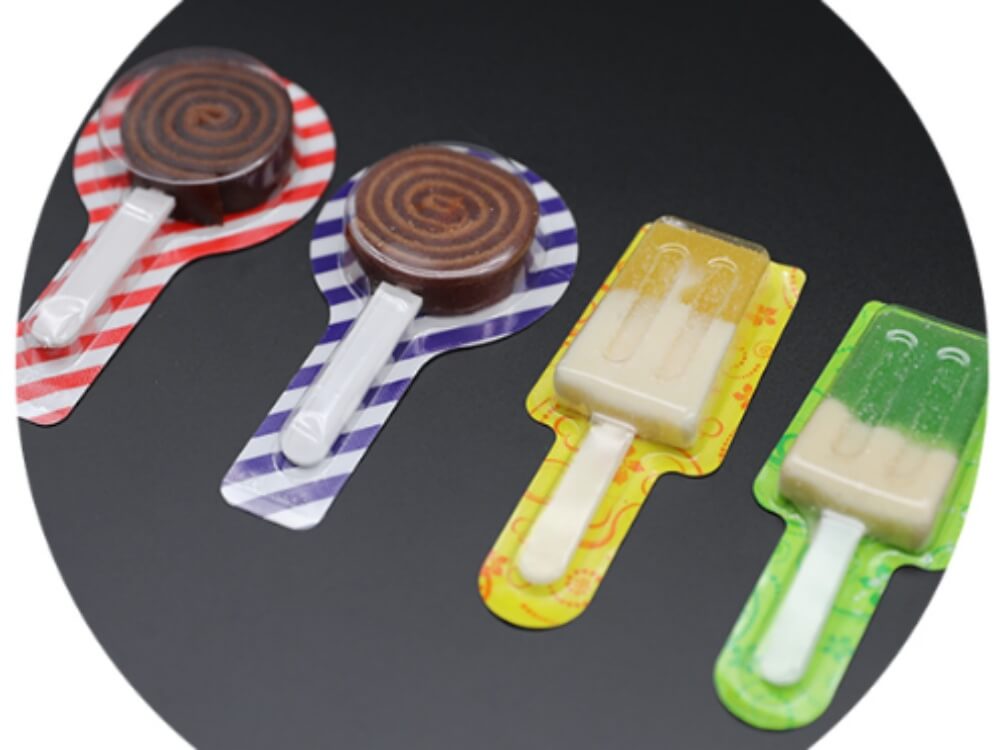
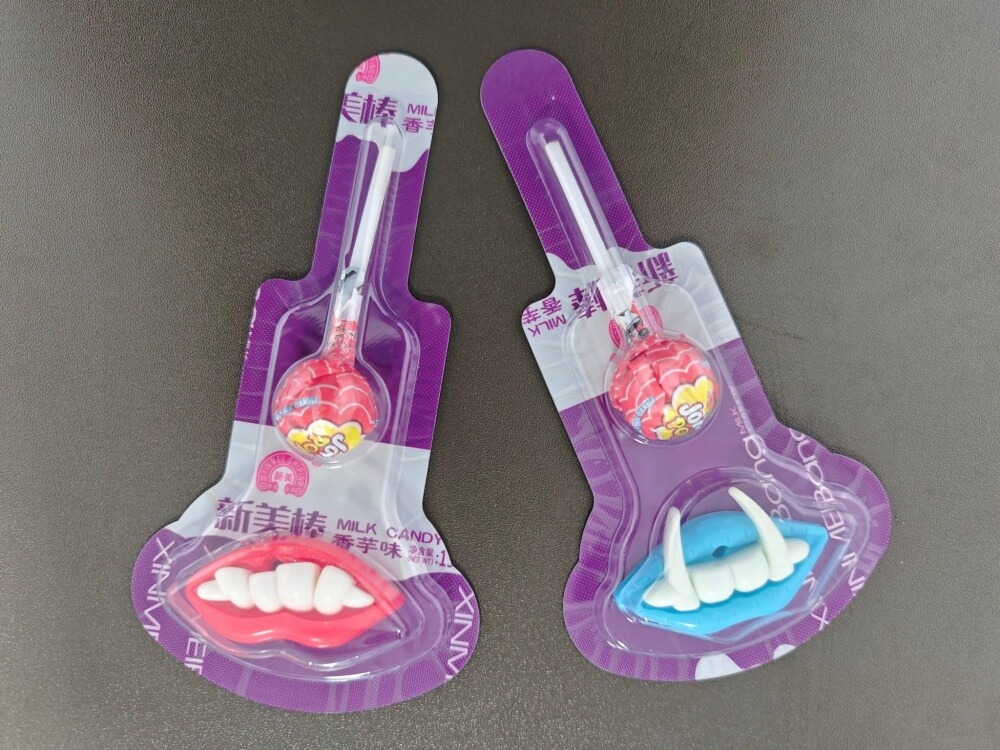
First, look beyond nominal speed claims to calculate your true effective output. The biggest gap between advertised and actual performance lies in overlooked factors that directly impact your production time.
A machine rated for 10,000 blisters per hour will never deliver that output consistently if it suffers from frequent unplanned downtime, long product changeover times, material compatibility issues, or low overall equipment efficiency(OEE).
For example, a machine with 60% OEE will only deliver 6,000 effective blisters per hour, even with a 10,000 nominal rating. To solve this, work with your supplier to get real-world OEE data based on your specific production scenario, including average changeover duration, routine maintenance downtime, and material waste rates.
Build your capacity plan around this effective output, not the peak speed on a spec sheet.
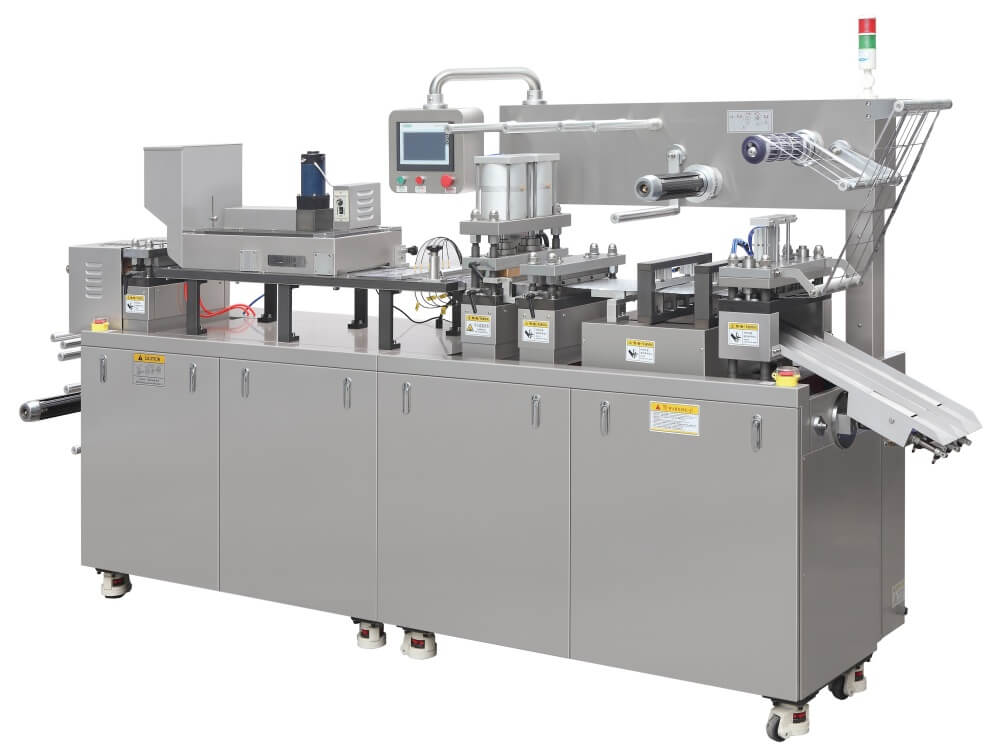
Second, match your machine type to your core production mode to eliminate wasted capacity. Many manufacturers pick the wrong machine format, leading to severe efficiency losses. For small-batch, multi-SKU production—common among contract development and manufacturing organizations (CDMOs), pharmaceutical startups, and medical device makers with frequent product changes—a high-speed, fully automatic continuous machine is often a poor fit.

Its long changeover and setup times mean you will spend more time adjusting the machine than running production. The solution here is a semi-automatic or modular servo-driven model, which offers fast, tool-free changeovers (cutting downtime from hours to minutes), flexible setup, and reliable performance for varied product runs. For stable, large-scale, long-run production with consistent SKUs, a high-speed, fully automatic continuous machine is the ideal choice, delivering 24/7 stable operation, lower per-unit production costs, and maximum throughput for high-volume demands.
Finally, build in a 15% to 20% capacity buffer to future-proof your production and mitigate risk. Many manufacturers buy a machine that exactly matches their current maximum capacity, only to be caught off guard by sudden order spikes, seasonal demand surges, or unexpected business growth.
Running a machine at 100% capacity non-stop also increases wear and tear, raises the risk of unplanned downtime, and shortens the equipment’s service life.
A 15-20% capacity margin solves these pain points: it gives you the flexibility to handle order fluctuations without overworking your equipment, supports steady business growth over 1-3 years without needing an immediate equipment upgrade, and reduces maintenance costs by keeping your machine running within its optimal performance range.
At the end of the day, the right blister packaging machine is not the one with the highest advertised speed, but the one that aligns perfectly with your unique production needs, compliance requirements, and growth plans, turning packaging from a production bottleneck into a competitive advantage.
What is your biggest challenge when selecting a blister packaging machine for your operation? Share your thoughts in the comments below!